

It’s poll week here at Montana Free Press.
We’re publishing results from an MTFP-Eagleton poll we’ve conducted in late December and early January as part of our ongoing Montana Insights project, examining Montana voters’ opinions on everything from a statewide sales tax (not popular) to the geographic of eastern Montana (mixed takes) and the president’s immigration agenda (quite controversial).
We’ll be rolling out those and other poll results over several days in the form of stories on our website, montanafreepress.org — and rounding up some of the most interesting takeaways with updates to this post between March 2 and March 6, 2026.
Here’s what we’ve got:

Most Montana voters don’t want a statewide sales tax
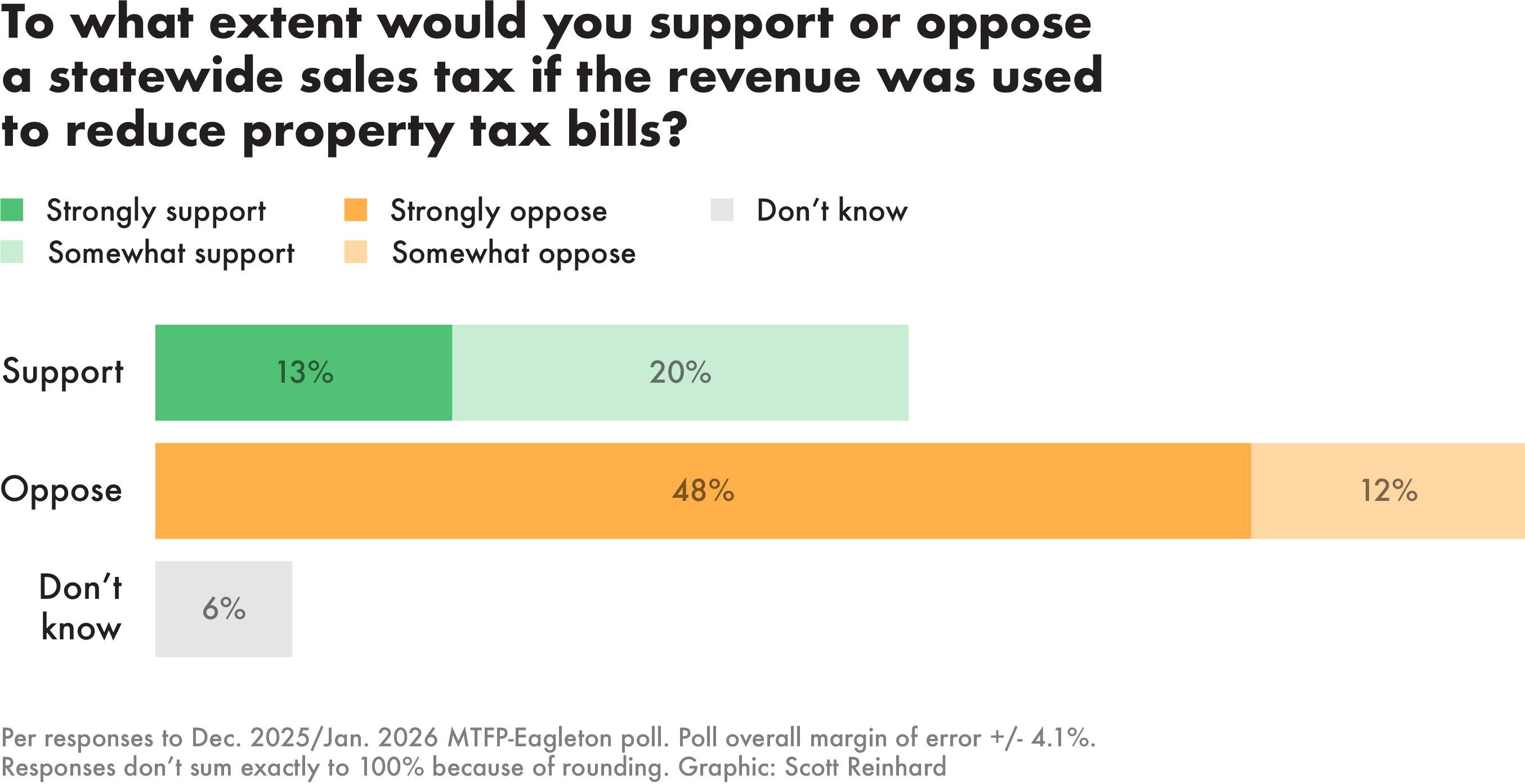
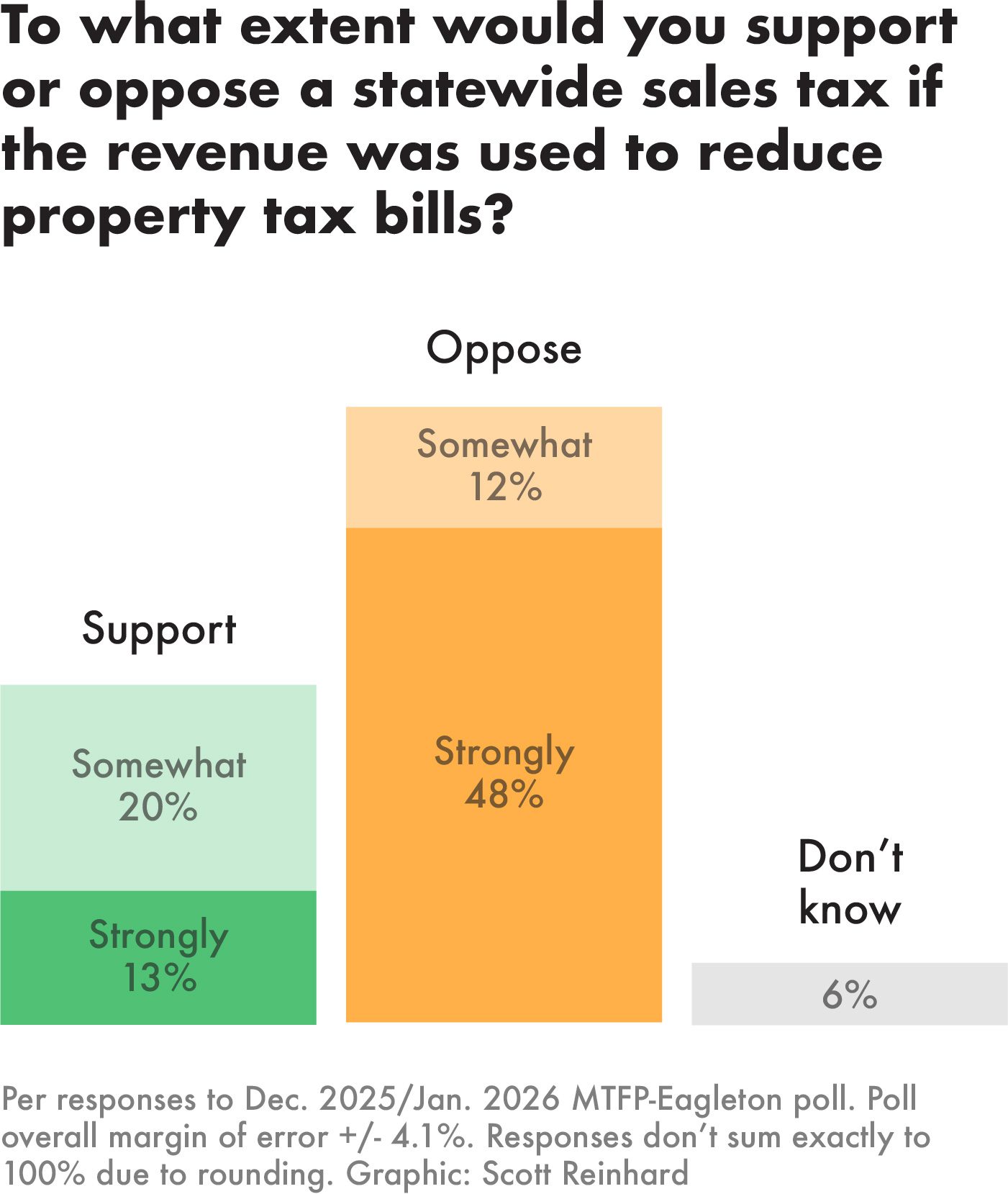
Nearly half of respondents, 48% indicated that they “strongly” oppose a statewide sales tax even if the revenue is used to reduce property tax bills. That sentiment was firmly bipartisan, with only 34% of Republicans, 38% of Democrats and 32% of independents voicing support for a sales tax.
Montana voters overwhelmingly view cost as a major hurdle in accessing mental health care
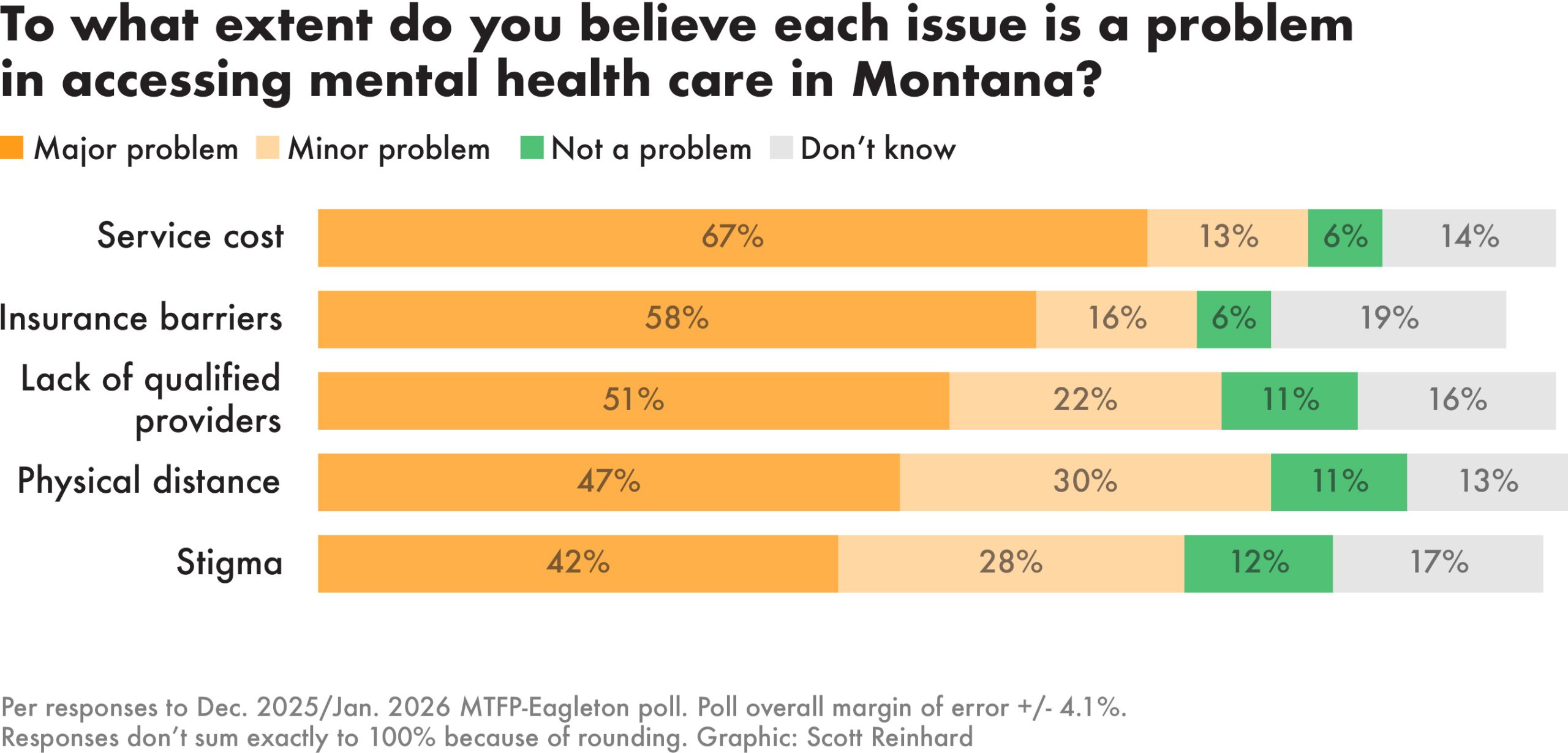
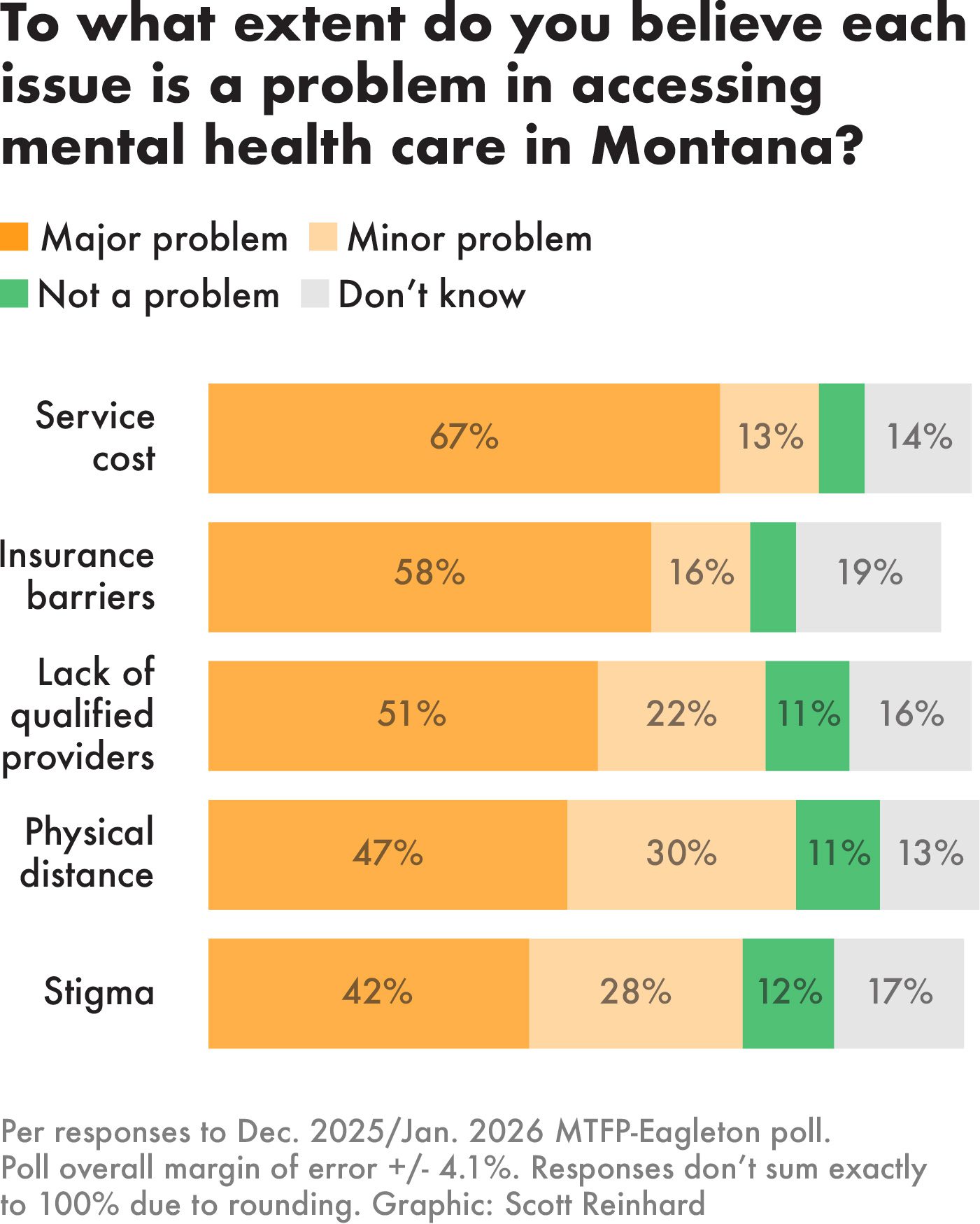
Montana voters named cost as a major perceived barrier to mental health care access. Fewer respondents rated physical distance and stigma as a significant hurdle.
‘The mostly flat part’: what our poll respondents say about where Eastern Montana really begins
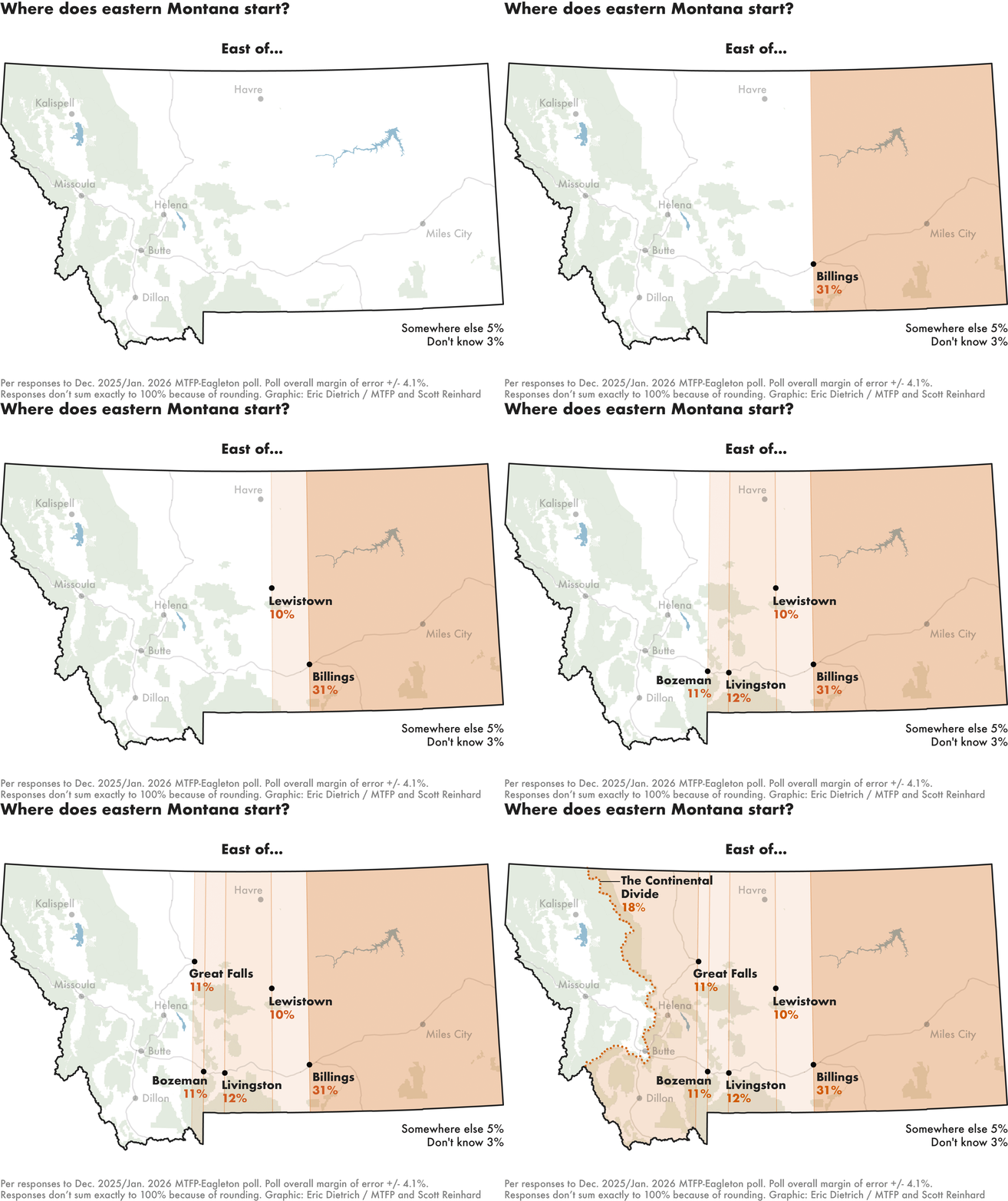
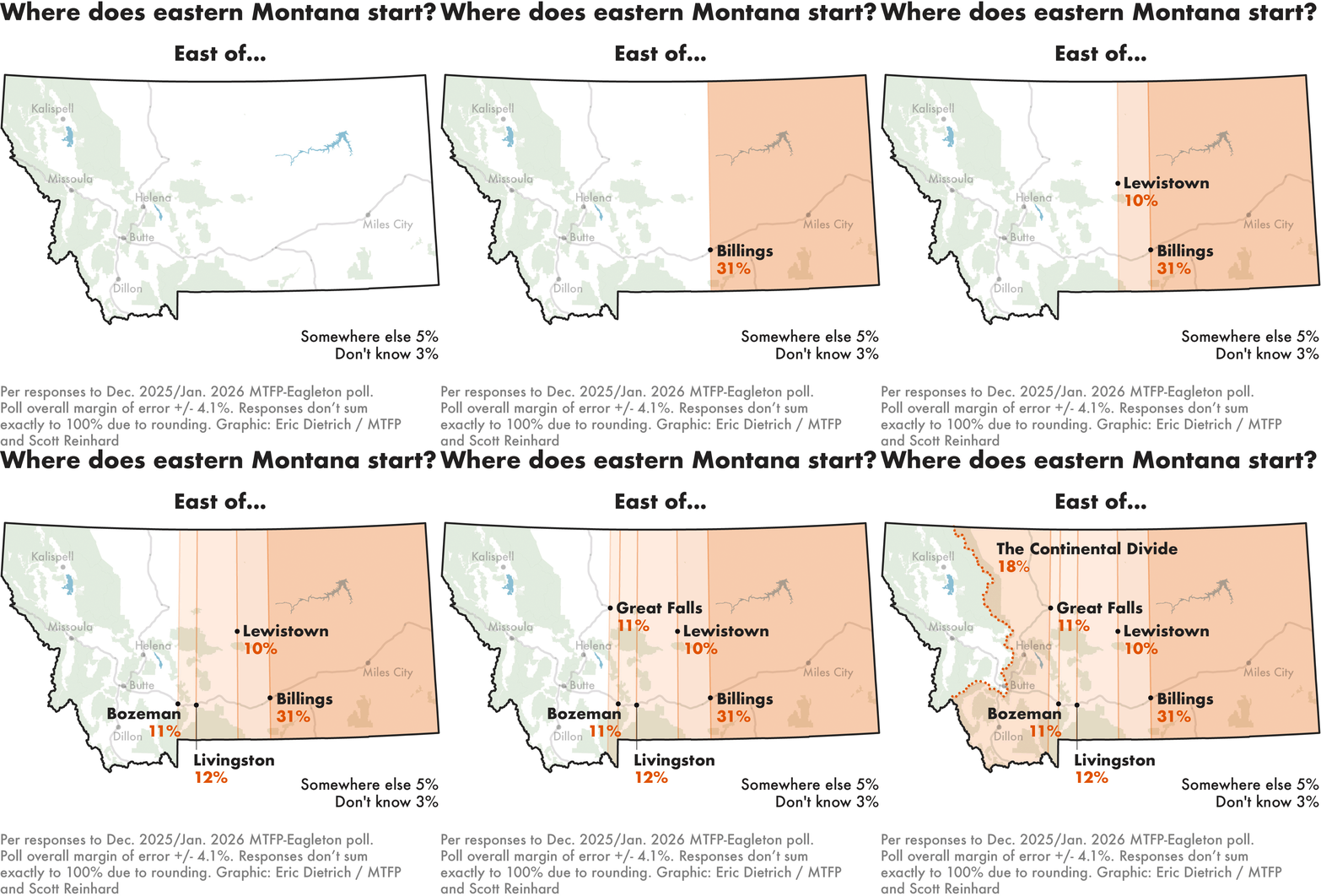
A question on how to divide Montana’s eastern region from its western one didn’t produce a clear consensus. The top selections for a dividing line were quite literally hundreds of miles apart — Billings and the Continental Divide.
Montanans want more solar, natural gas development, are less interested in new coal plants
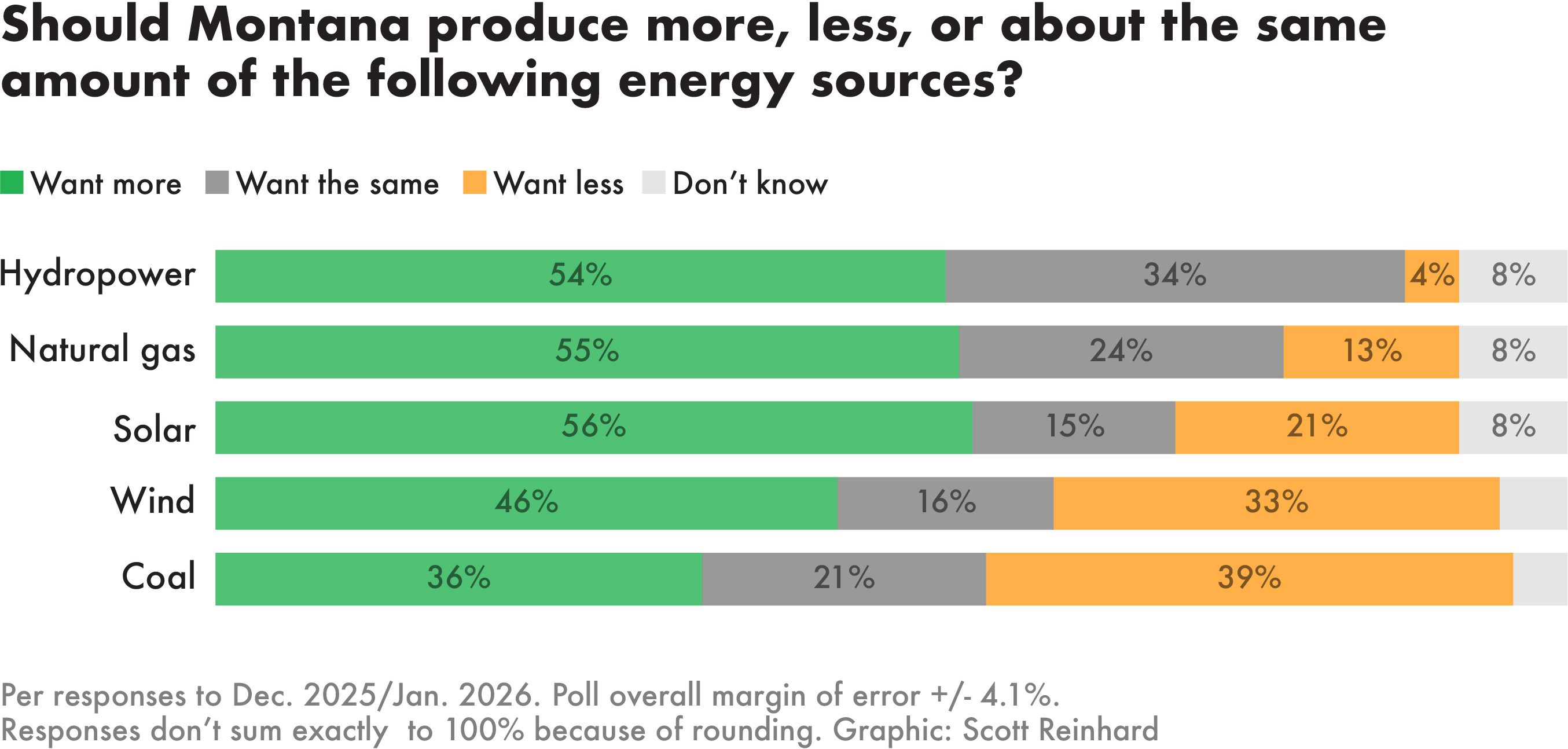
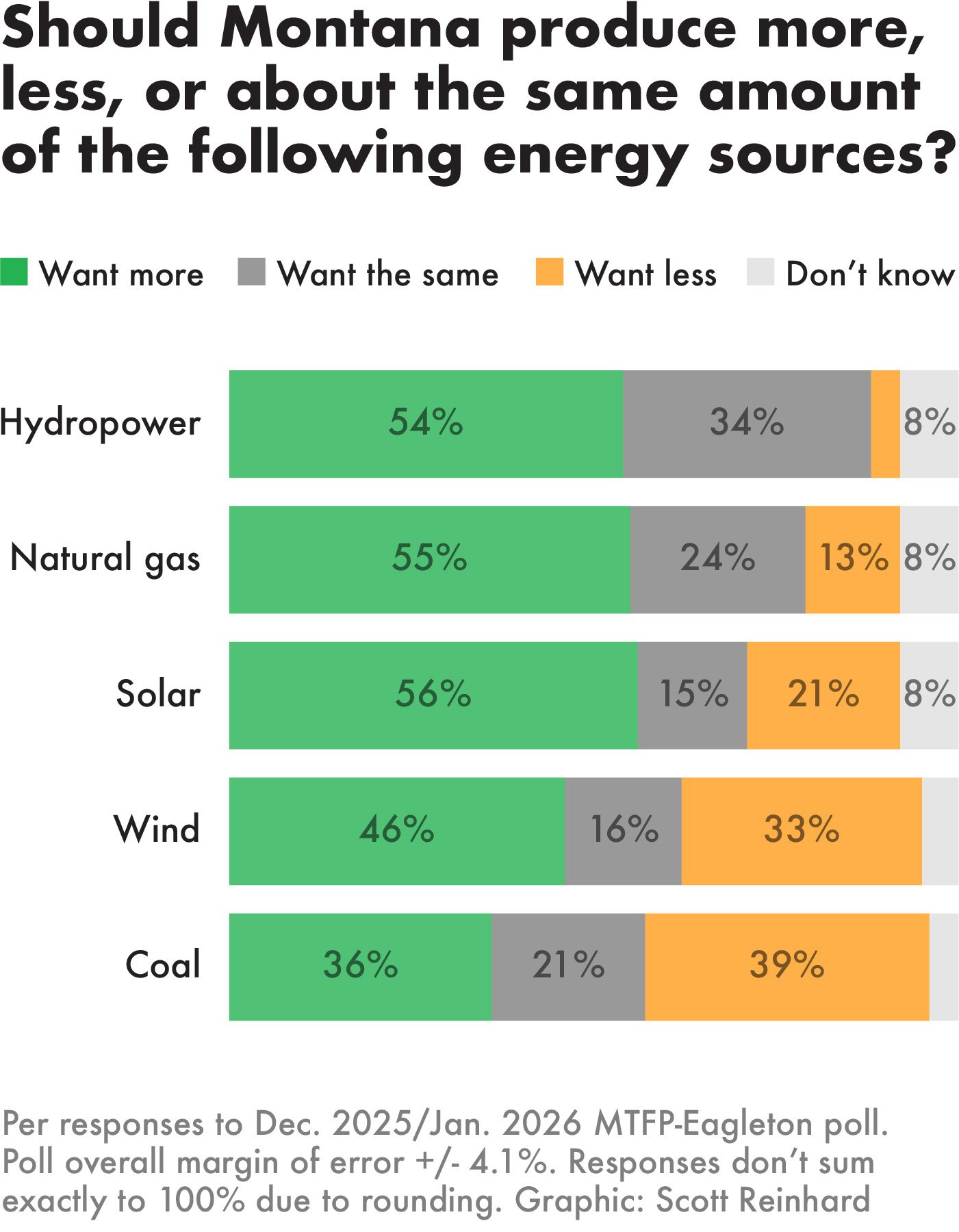
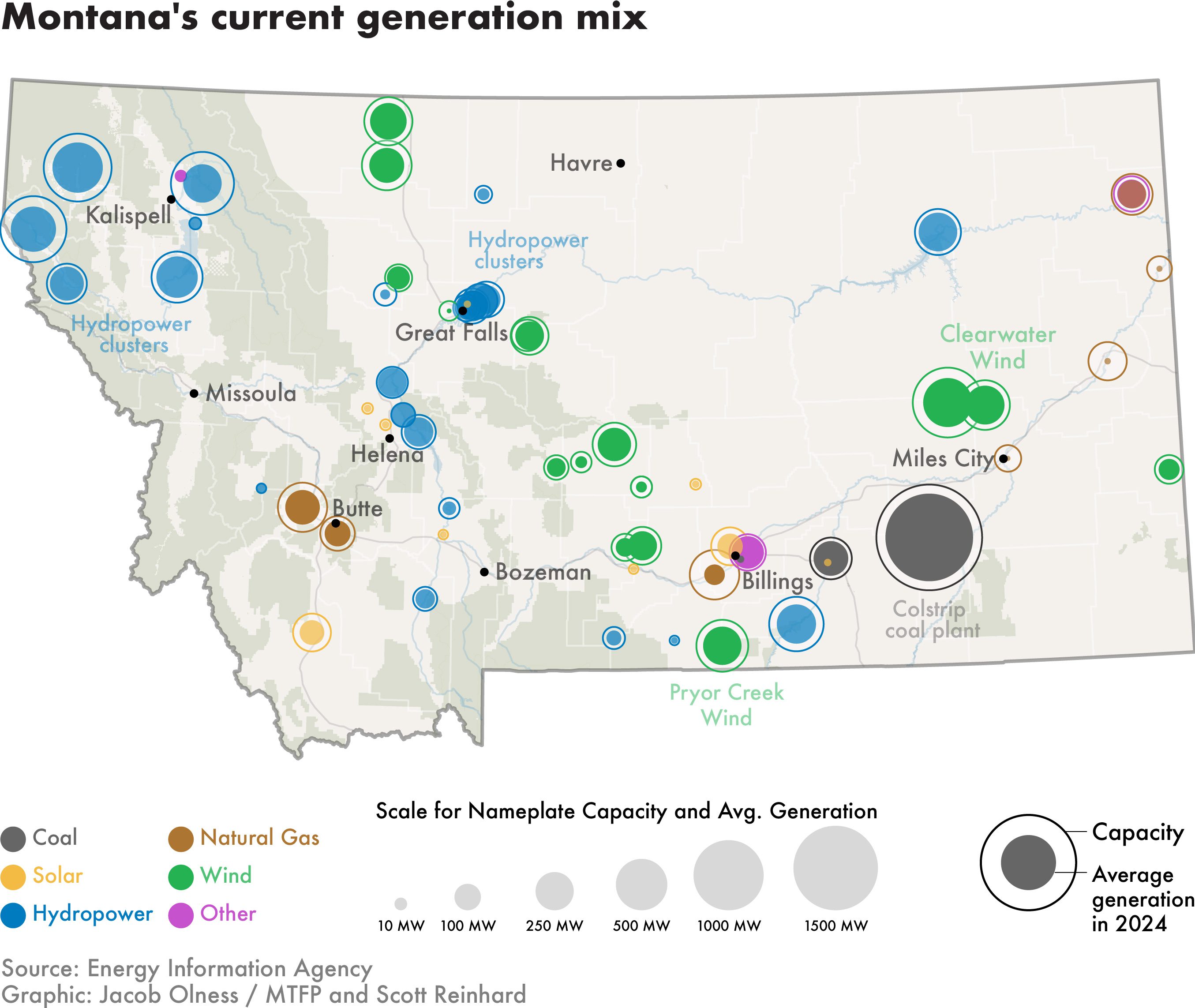
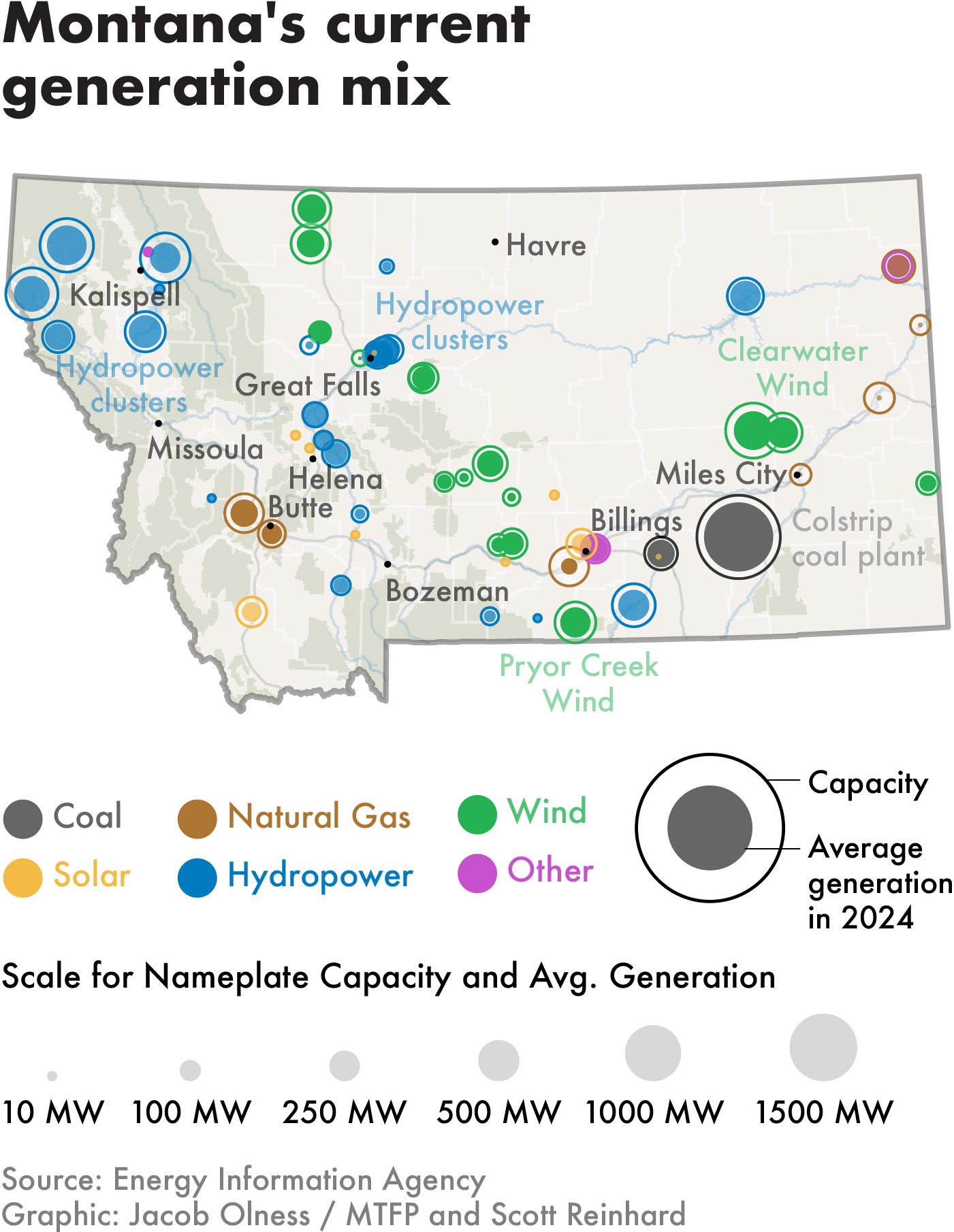
Solar and natural gas power make up a small share of the state’s energy mix, but Montanans are bullish on generating more electricity with them. Additional power from coal plants and wind farms proved to be less popular among poll respondents, with roughly one-third saying they would prefer less electricity from these sources.
75% of voters want Montana to have at least as much federal land as it does now
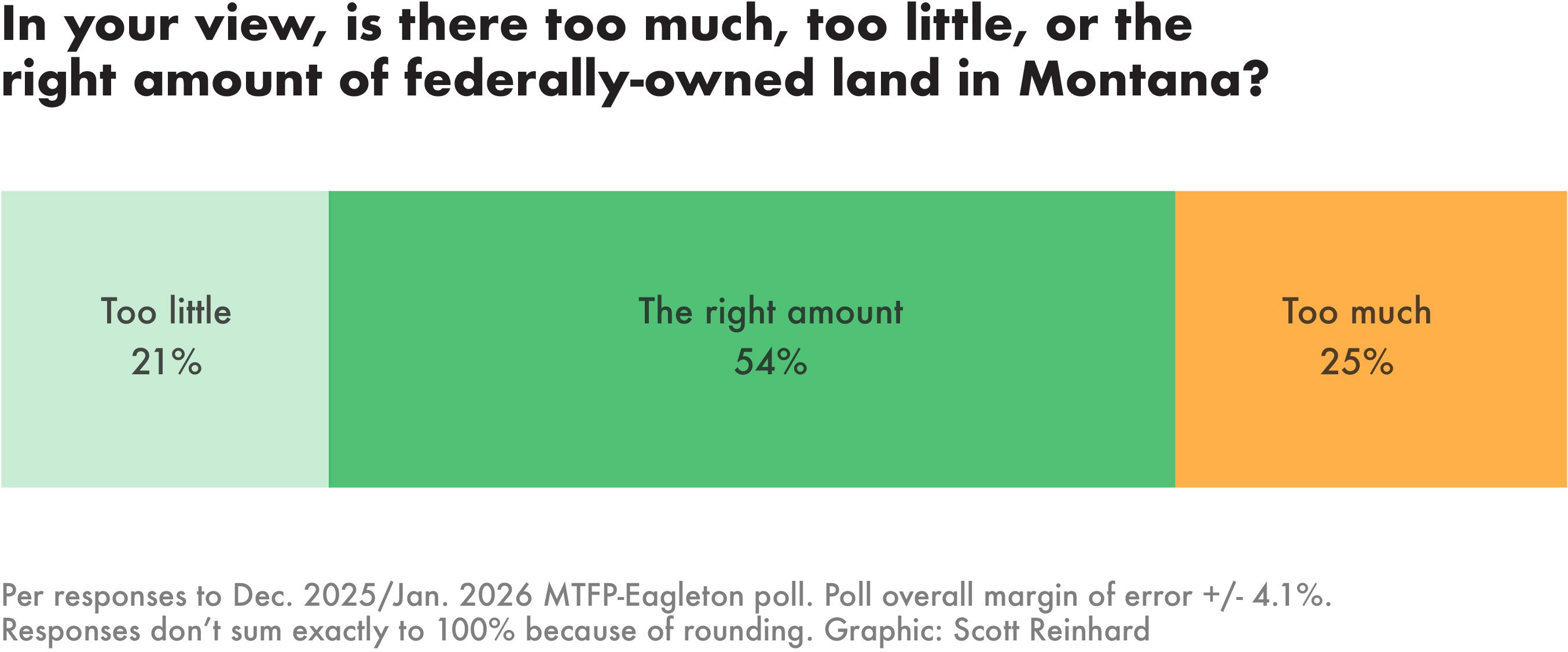
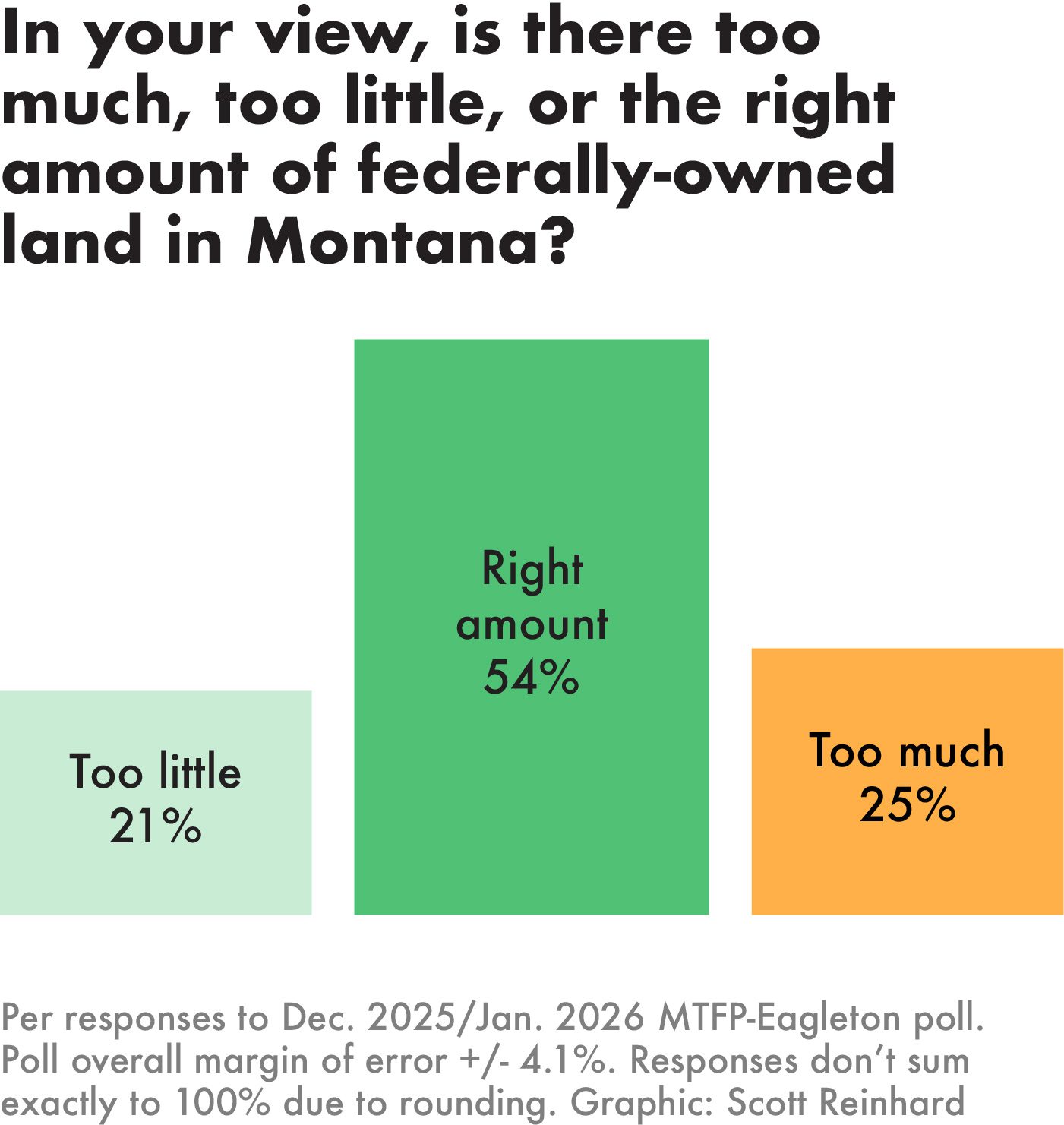
A majority of Montana voters across the political spectrum say they want the scope of federal land ownership to stay the same or expand. With 62% of Republicans polled agreeing, the findings suggest a gap between the Montana Republican Party Platform — which supports federal land transfer to state ownership — and Republican voters.