


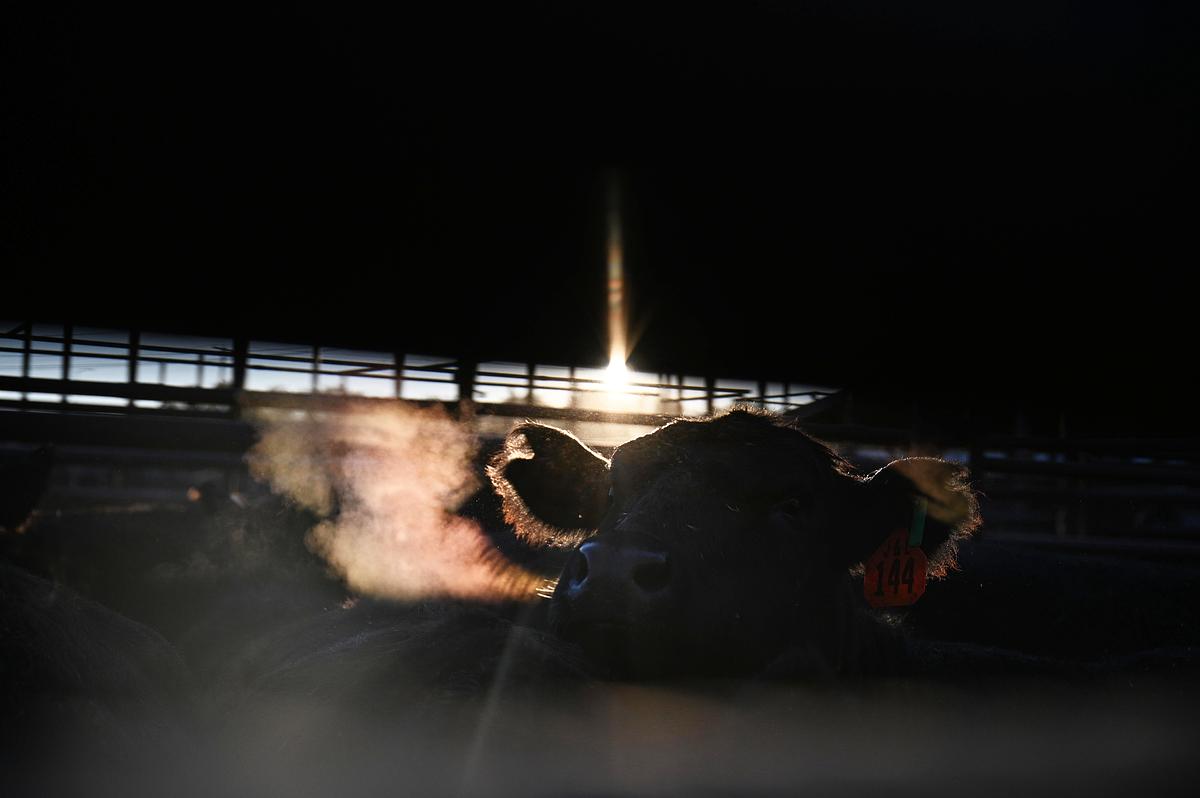
BILLINGS — At a 23-acre facility on the east side of Billings along Interstate 90, cattle trucked in from across Montana and northern Wyoming huff cloudy breath into the chilly morning air. It’s around 8 a.m. on Oct. 30.
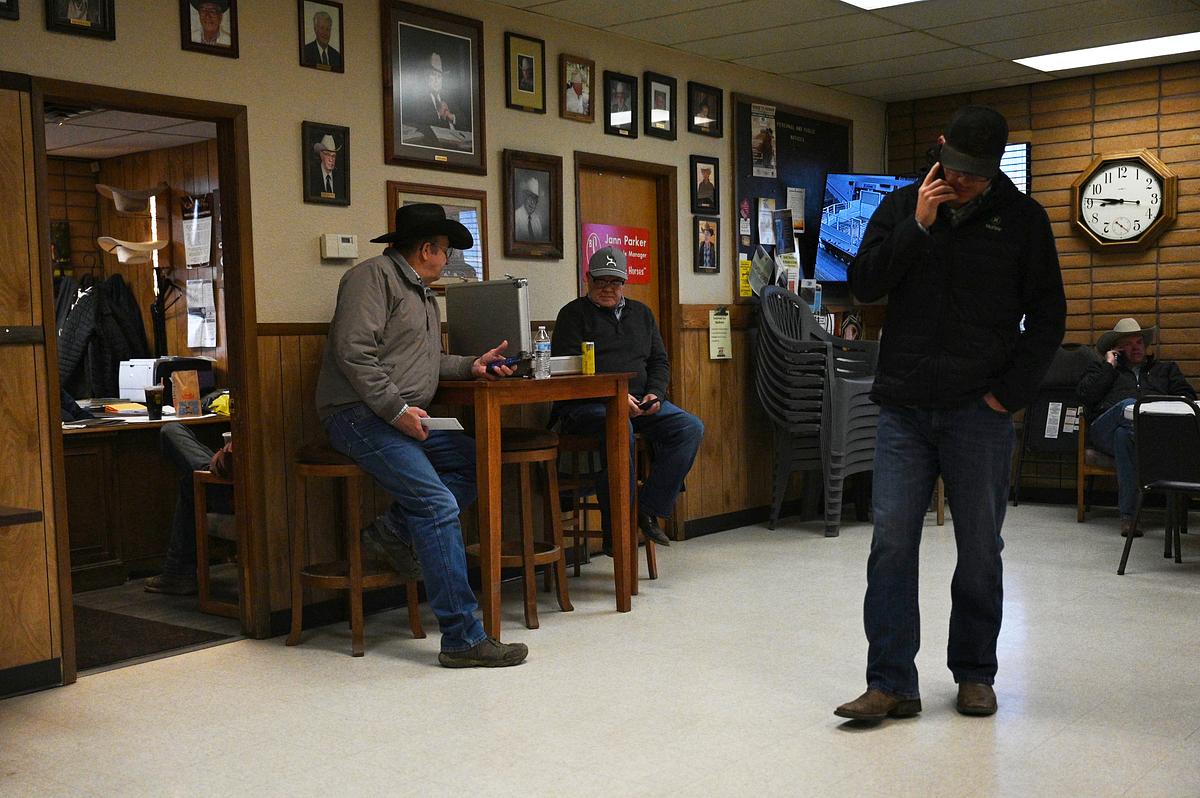
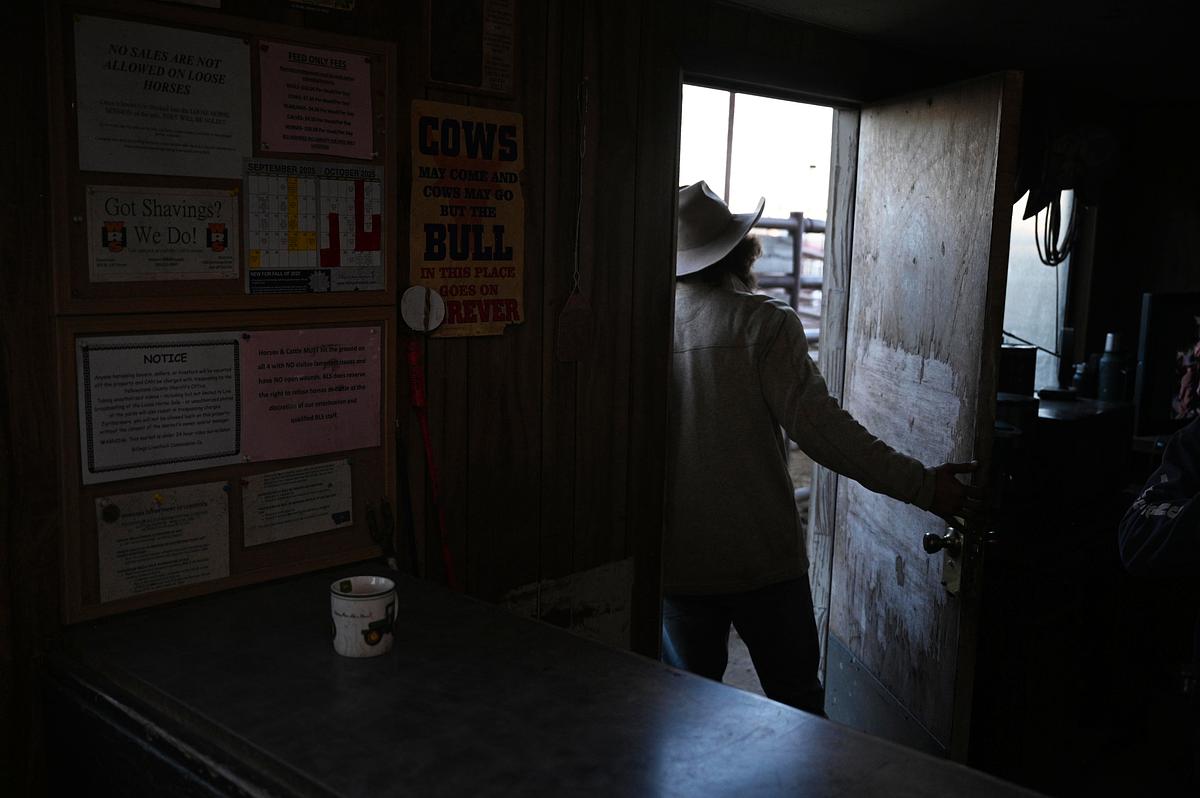
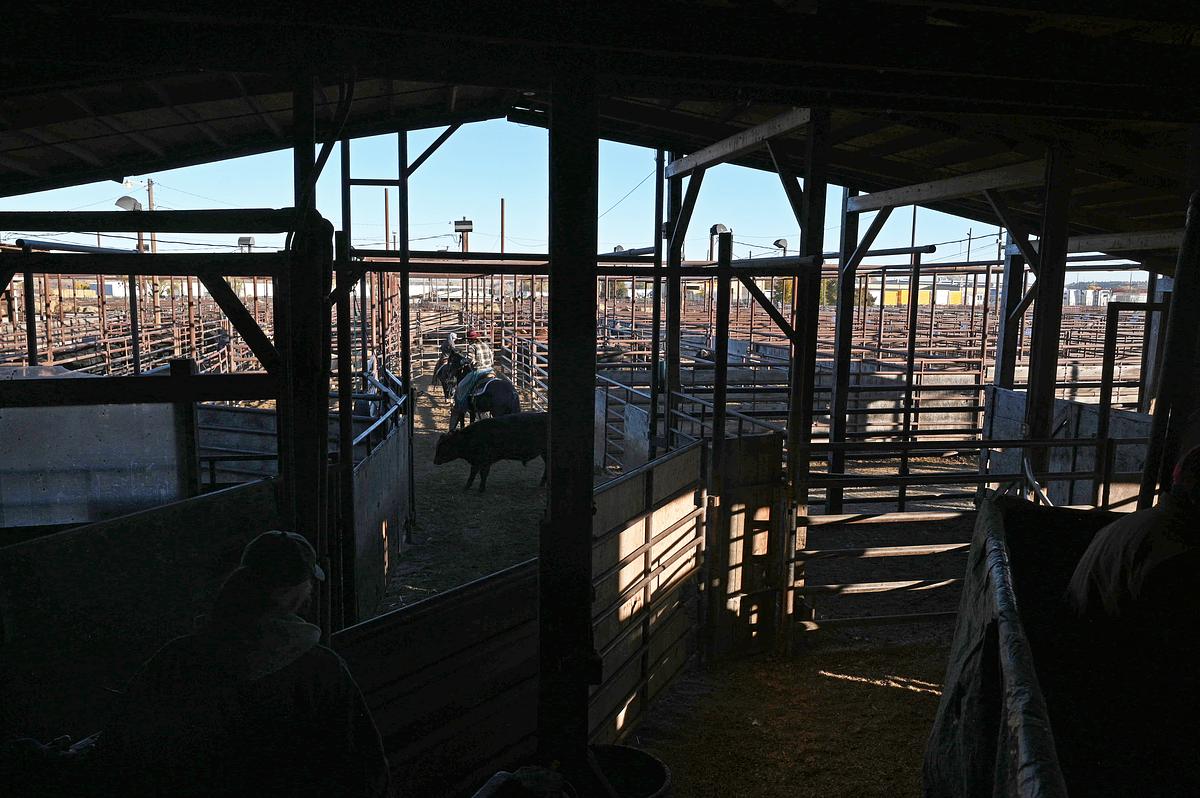
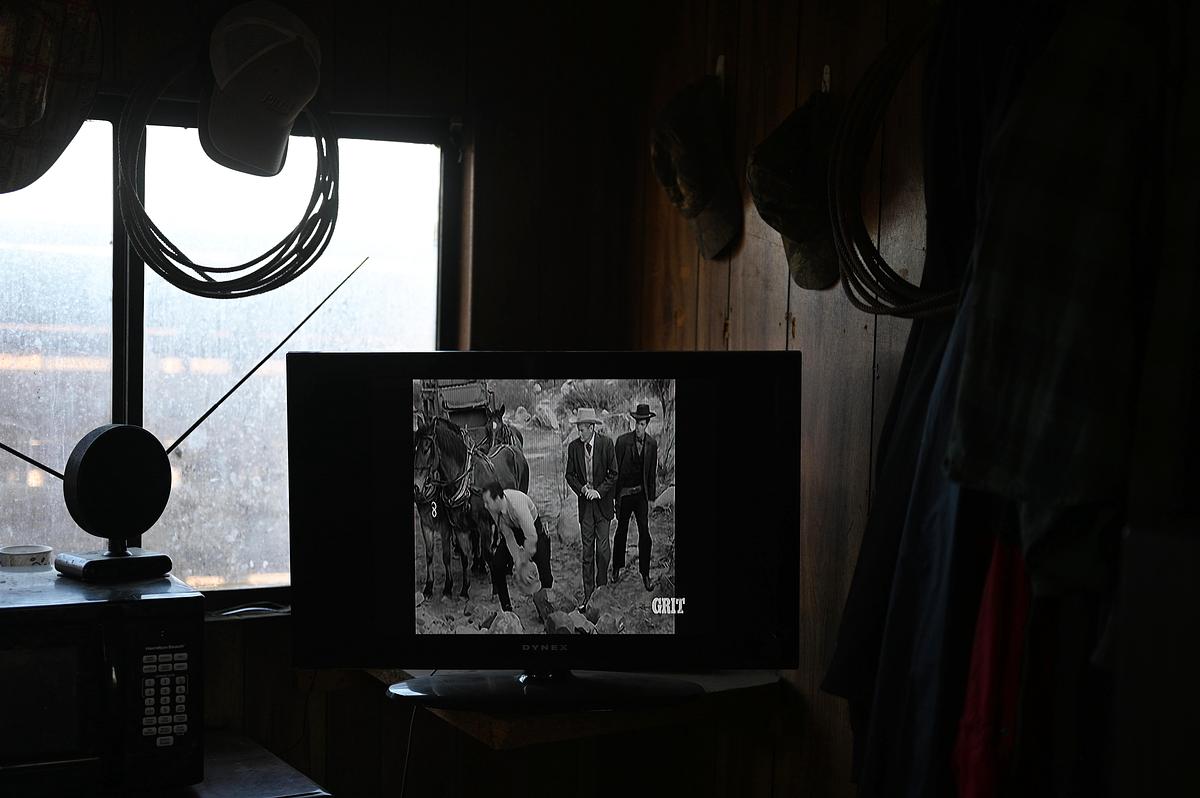
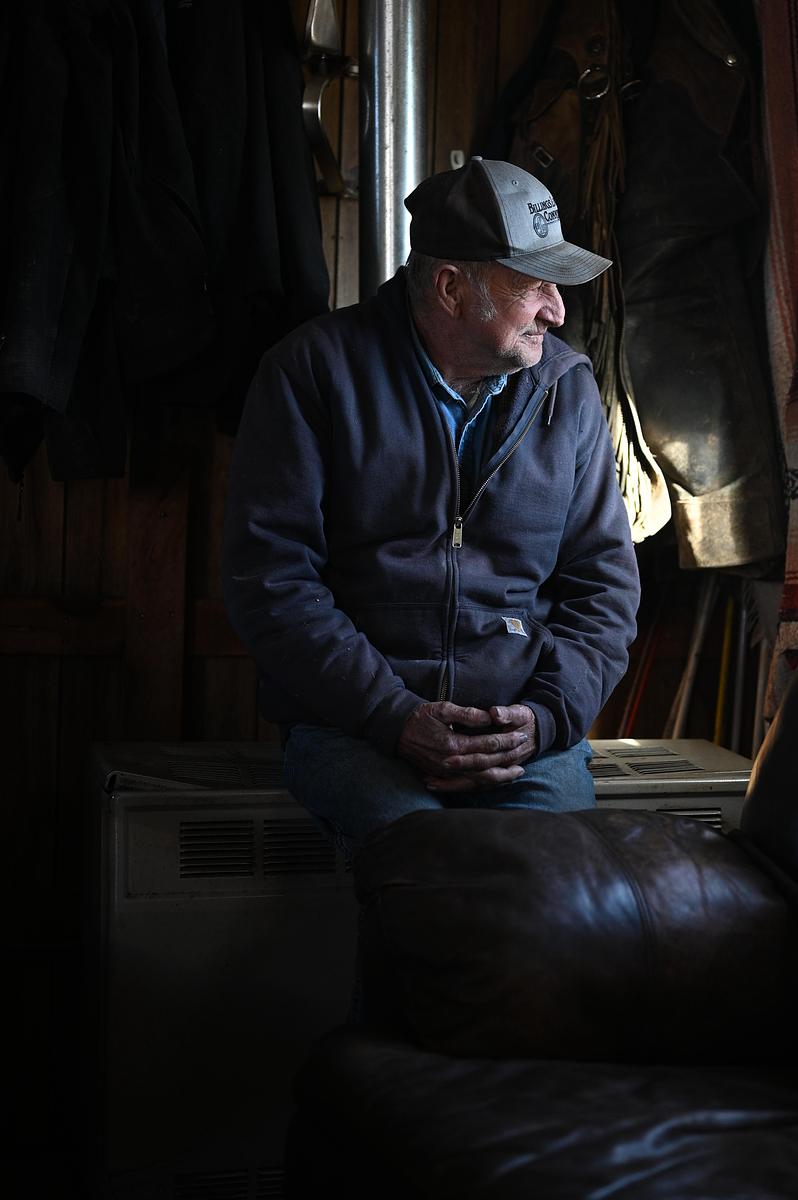
Auction workers shuffle into a small, dusty building where a TV plays reruns of Western classics. They slide into chaps, shrug on well-loved Carhartt jackets, take final swigs of coffee and punch their time cards before venturing toward their horses. Outside, strands of sunlight warm the dozens of pens that make up the Billings Livestock Commission’s cattle yard.
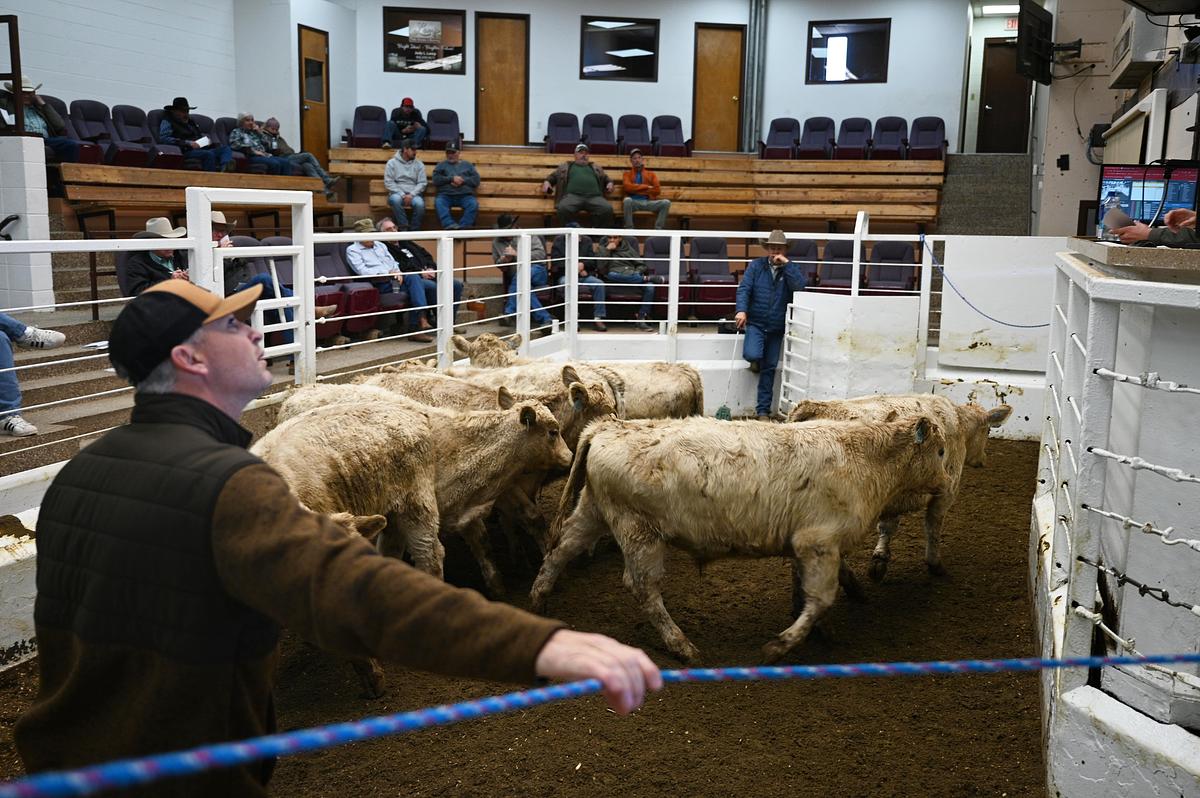
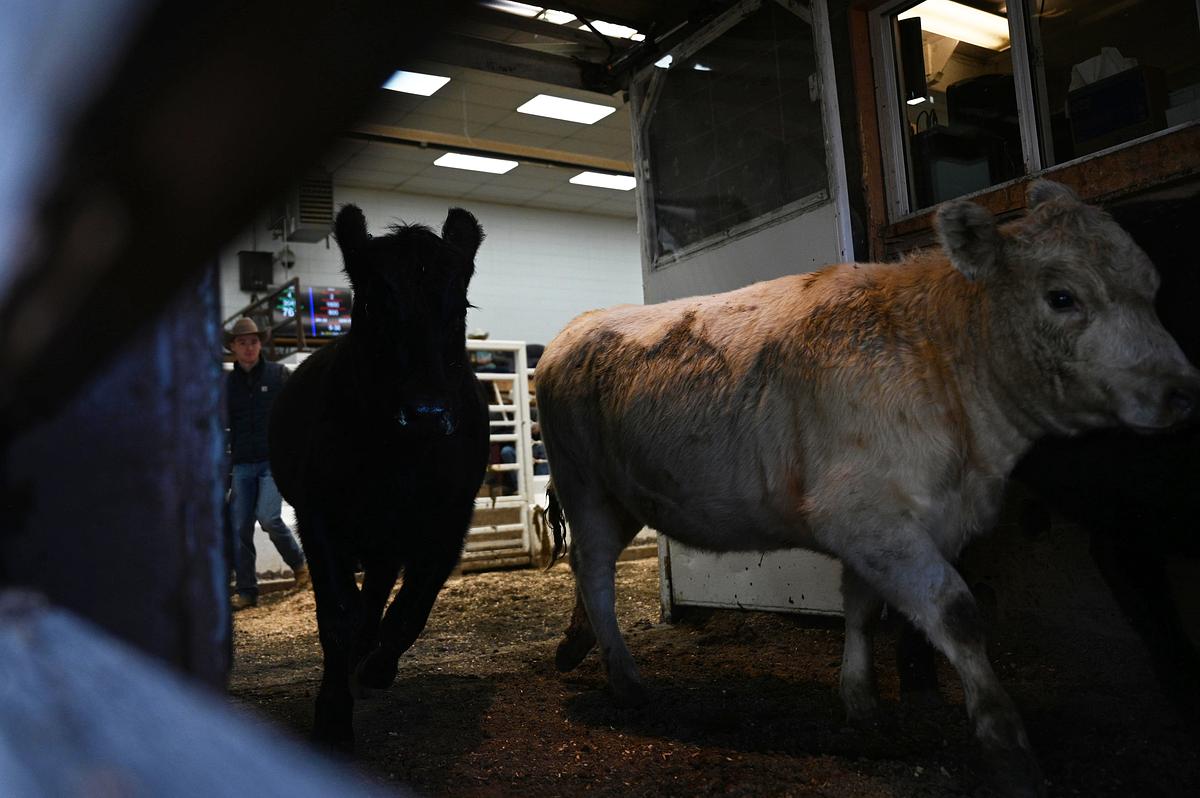
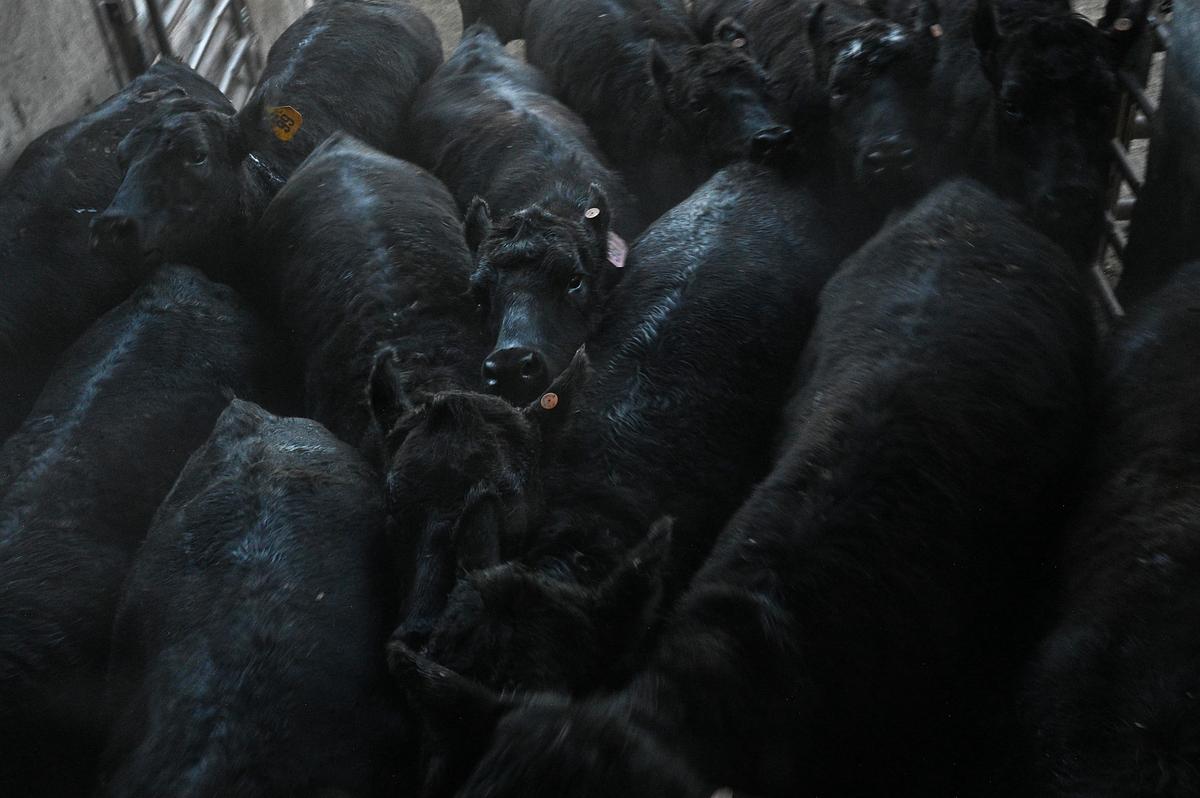
Throughout the ensuing 12-hour event, about 300 ranchers and their roughly 4,300 cattle will move through the pens and into the adjoining auction house, shuffling through a series of mechanical gates until they reach the dirt-, mud- and manure-covered floor where buyers’ eyes scrutinize the livestock.
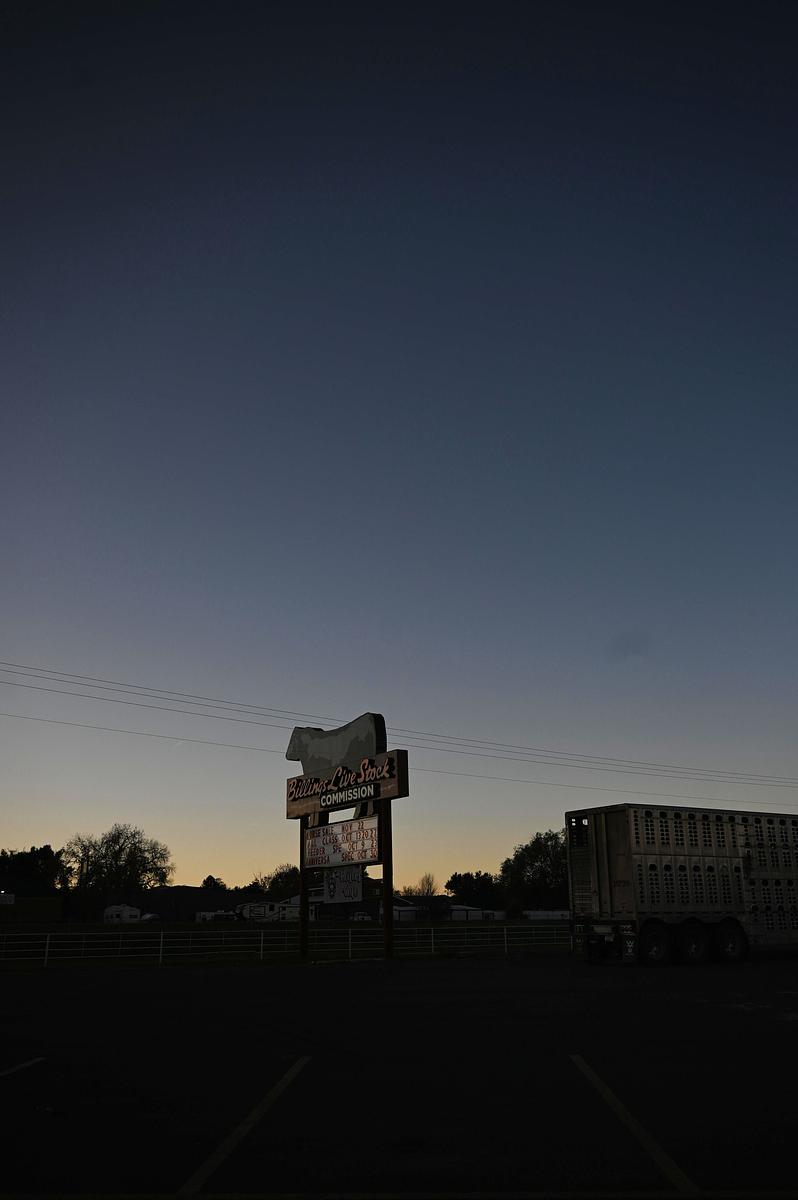

More cattle travel through this auction lot, and another in Billings owned by the same family, every year than any other in Montana, according to reports from the U.S. Department of Agriculture. Local livestock commissions connect ranchers with out-of-state feedlots, large facilities that fatten cattle for three to 10 months before slaughtering them, through a competitive bidding process.
In mid-October, cattle prices at auction regularly surpassed $4 per pound — marking their highest point in decades, according to Joe Goggins, whose family owns the Billings Livestock Commission and Public Auction Yards, another facility in Billings. The Federal Reserve indicates the prices for feeder cattle and replacement cattle — animals intended to repopulate herds rather than head for slaughter — have more than doubled since September 2021. We visited an auction at the end of October to try to understand how a 600-pound animal gets priced and sold.
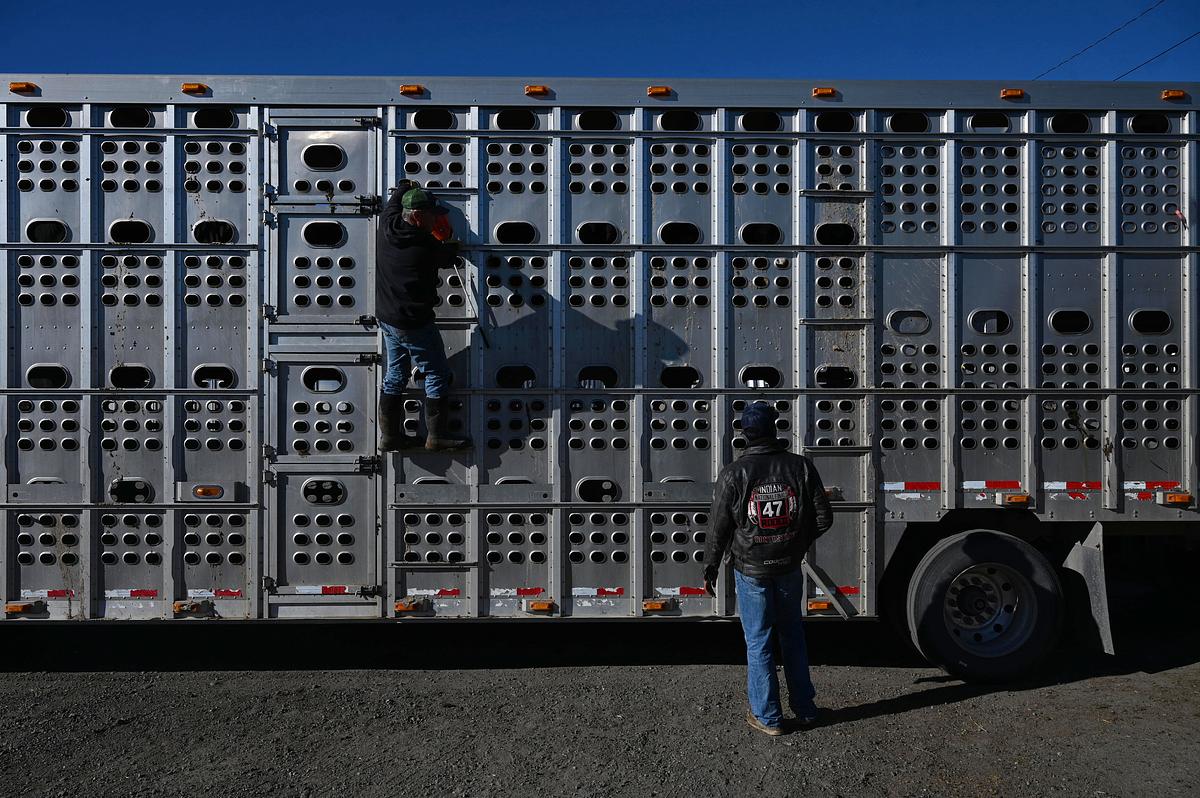
Eric Belasco, a professor of agricultural economics at Montana State University, said the increased price of cattle can be traced back to the rising expense of maintaining a herd, including the elevated cost of hay exacerbated by a regional drought.
The number of cattle currently in the U.S. has been in decline since 1973, partly tied to things like an enduring drought. The total is now about what it was in 1960. Over the last five years, the number of cattle in Montana has decreased by about 250,000 head, a drop of around 15%.
Clint Johannes, who ranches near Worden, sold cattle at the auction on Oct. 23 and attended the auction the week of Oct. 30. He said that even with the increased sale price as a product of low supply, he’s not getting rich.
“All our margins are incredibly small. This is a business. We want to have a profit. My family, we do it because it is a lifestyle, because it is what I want to do, what I want my boys to do,” Johannes said.
Johannes calves at his family’s ranch from the beginning of March until the end of April. He said selling in late October gives him a lot of time to fatten animals and ultimately puts him up against a less competitive market.
“We’re selling against a lot of folks who calve a little later,” Johannes said. “They’re gonna be bringing in 550-pound steers where we’re bringing in 650- to 700-pound steers.”
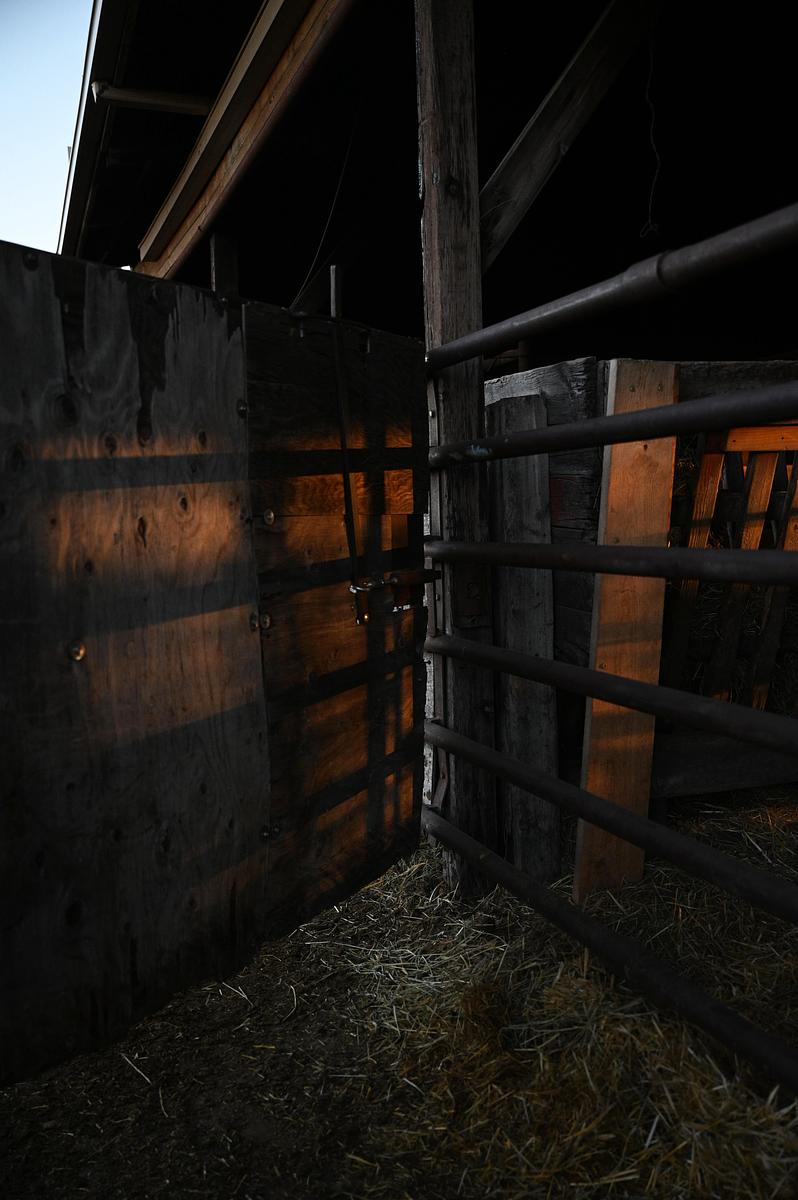
But Johannes also said that a buyer values cattle based on the animal’s frame in addition to its weight. A “robust” cow, as opposed to an overweight one, is more appealing to buyers, according to Johannes.
Johannes administers multiple rounds of vaccines and chemical treatments to his herd ahead of auction. A healthier cow can grow faster in the feedlots, where they are eventually slaughtered and sold to the meat-packing industry, giving purchasers an incentive to spend more on healthy animals.
“If I keep my herd in good condition and I buy quality cows — and quality bulls — and I have a good vaccination program, that should translate to a better price,” Johannes said.
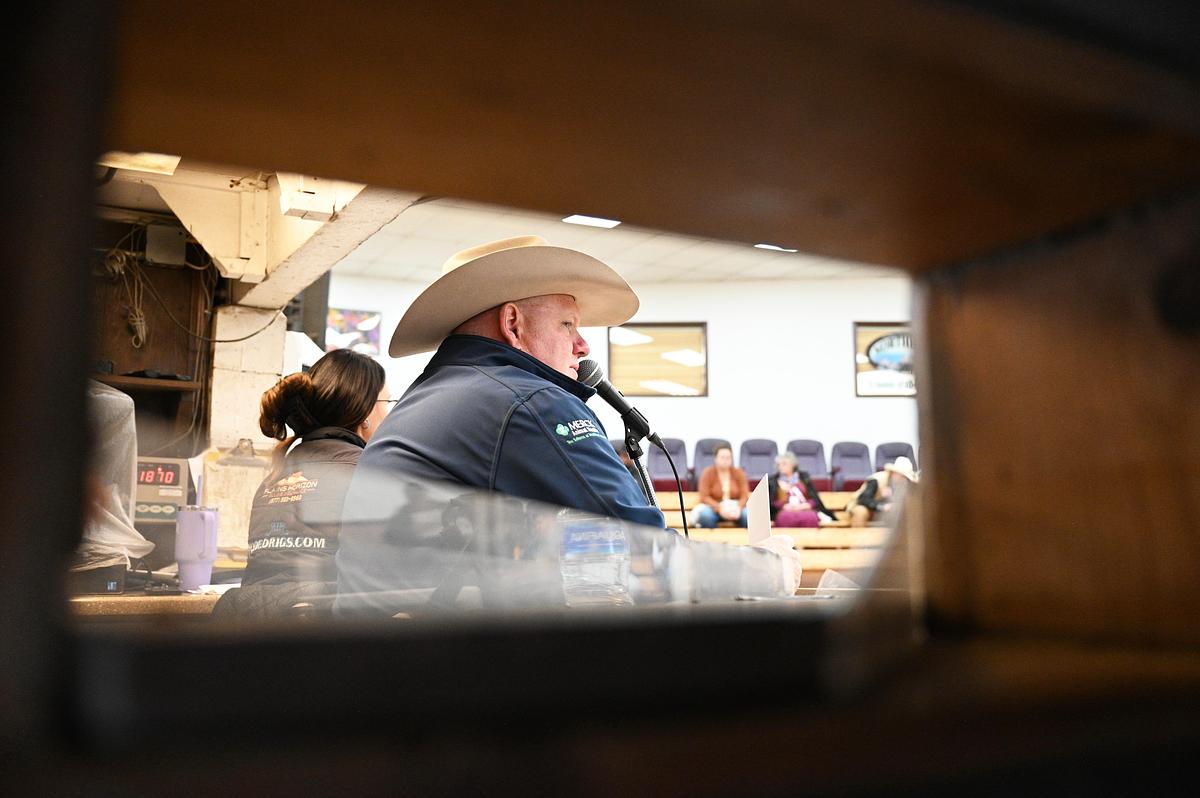
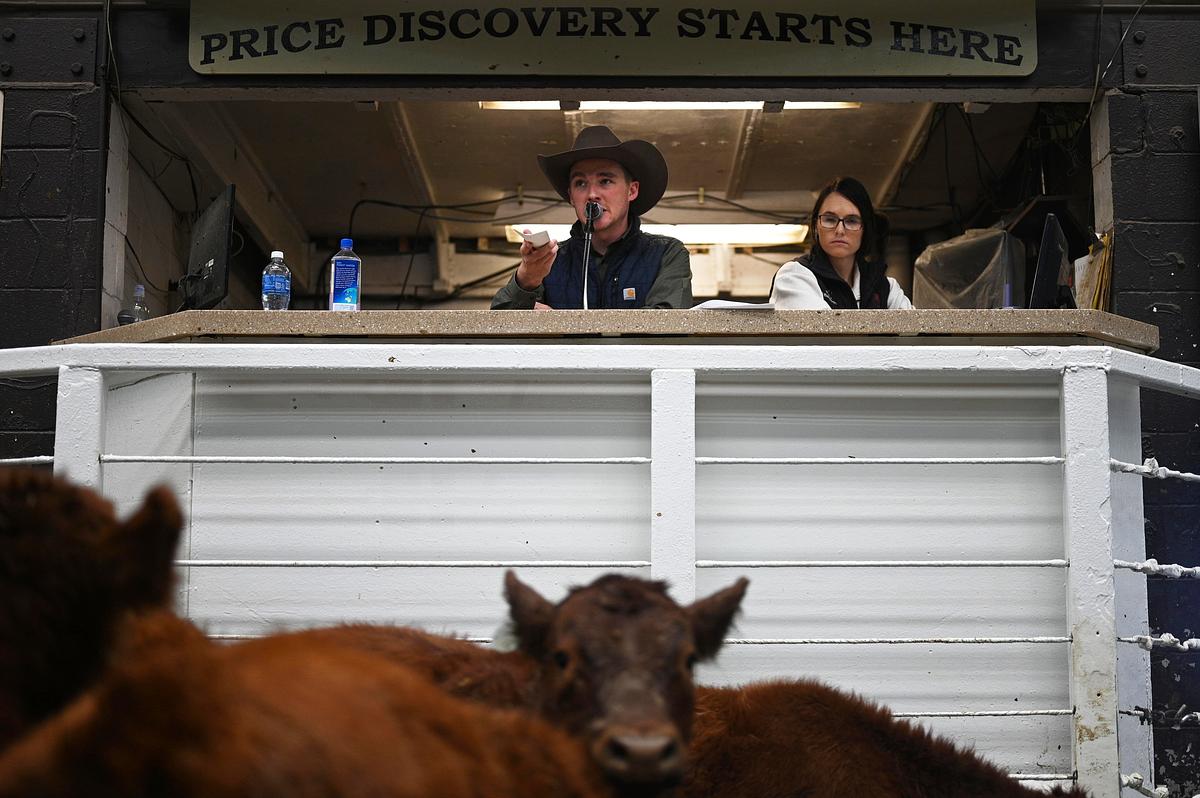
Auctioneer David Johnson works to help the Billings Livestock Commission determine the starting price point for bidding on cattle.
The bidding process often takes less than a minute. A herd of cows, or sometimes a single animal, dances under the gaze of buyers while auctioneers maintain a rhythm of fast-paced filler sounds between words. When the bidding stops, the auctioneer announces the sale price and the cattle run out another door.
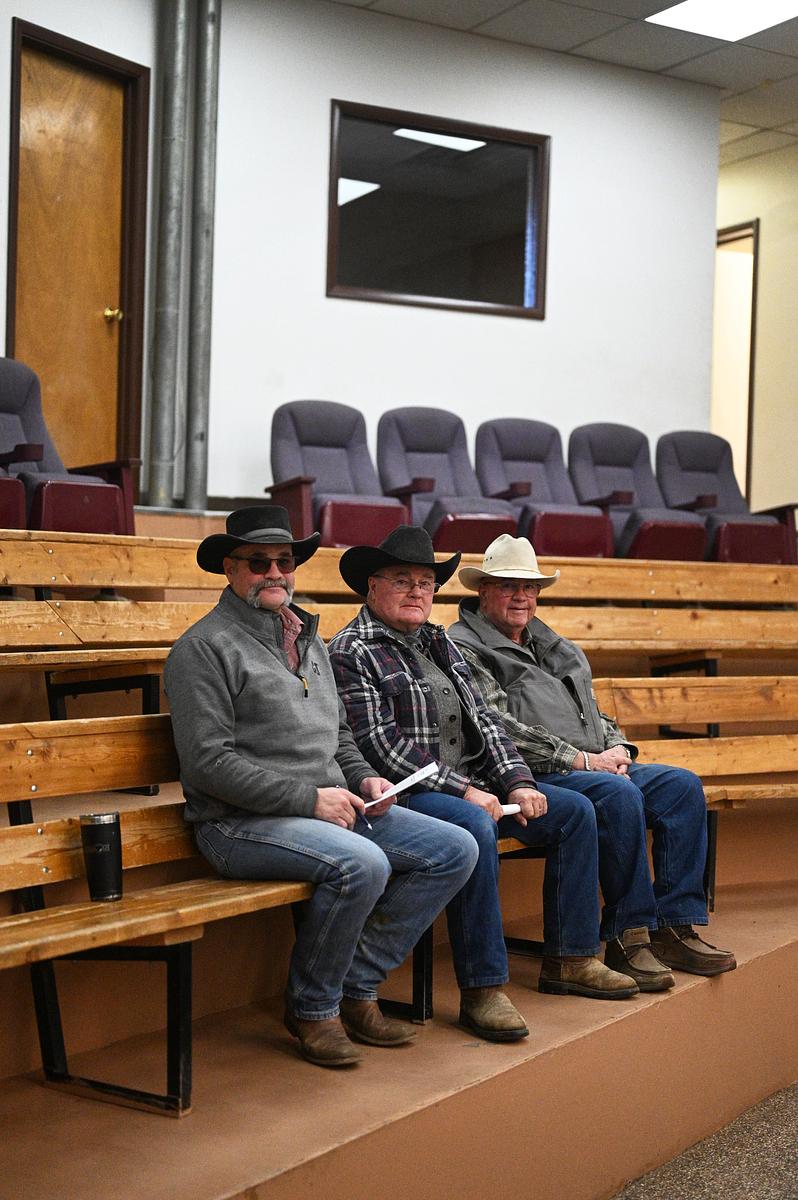
The dozens of sellers — rural Montana and Wyoming cattle ranchers — sit on the edge of their seats. For them, the end of October can be a crucial time to sell so that they don’t have to keep buying food for the cattle when the snow blows in.
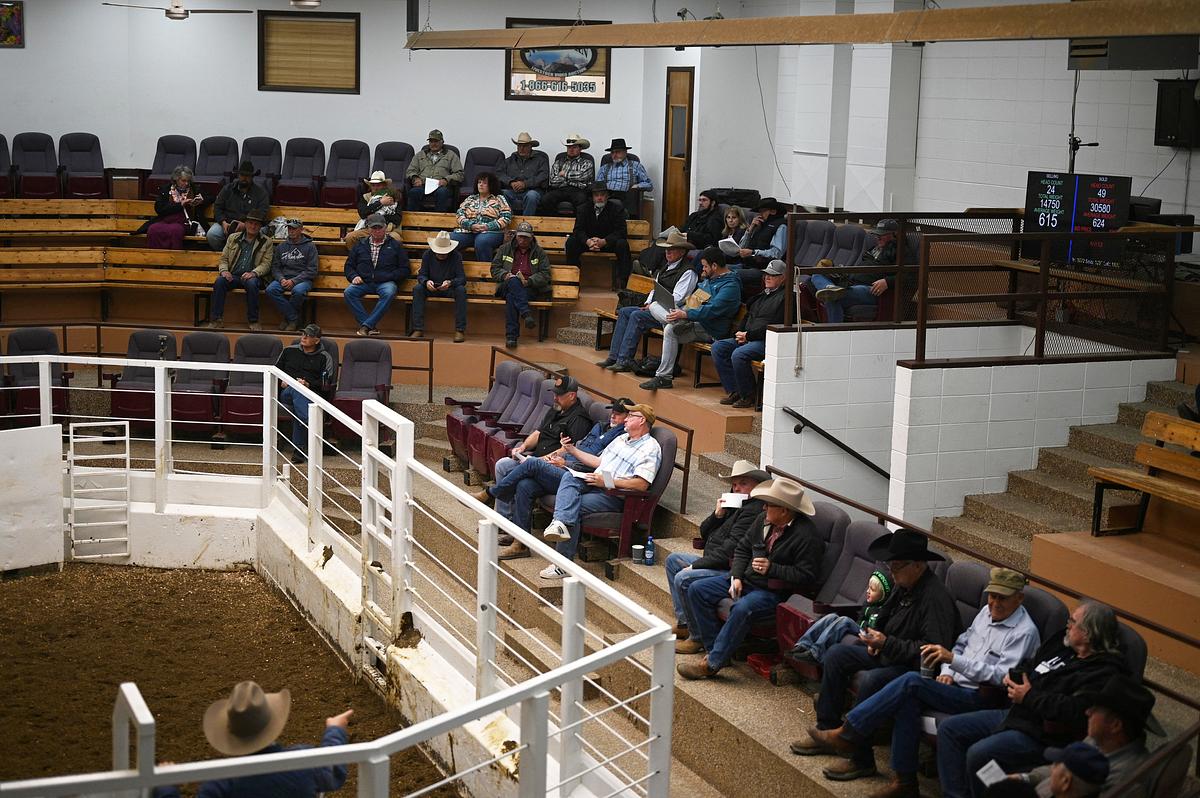
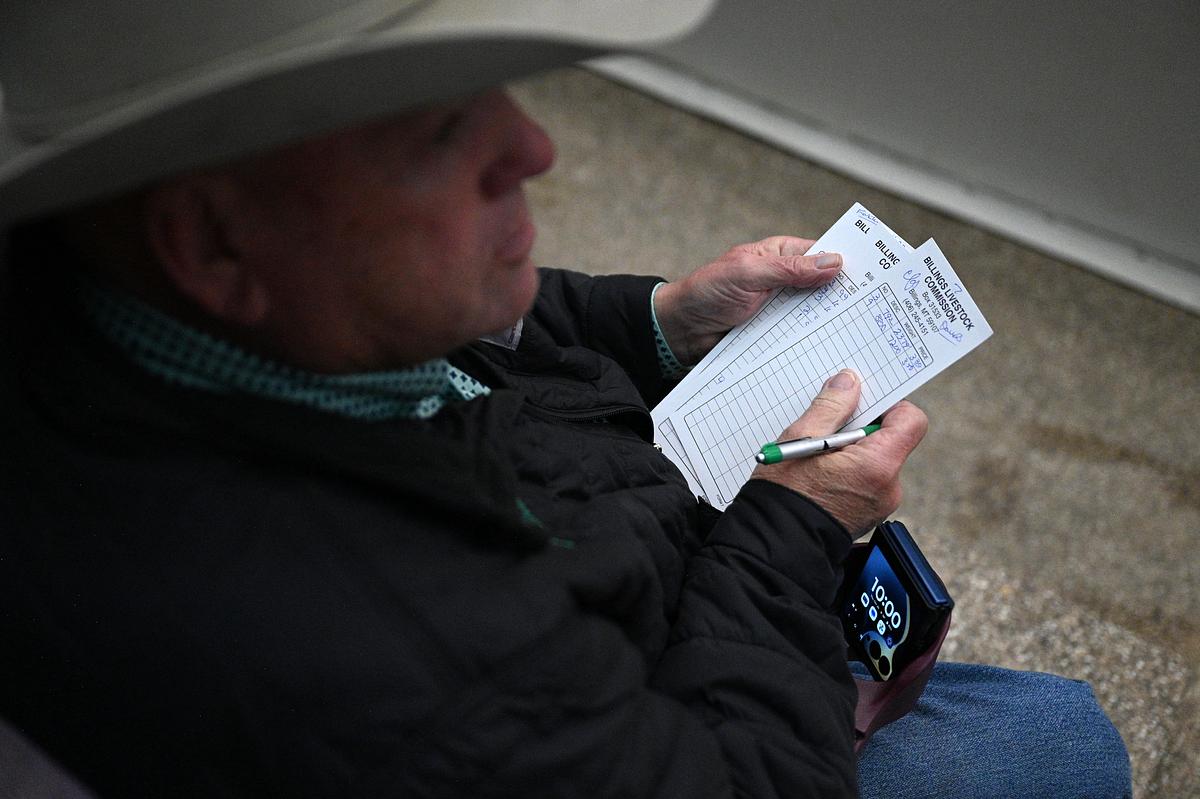
The buyers at this sale — about 10 to 20 total — represent feedlots. The number of livestock sold varies by seller. Virtually all the cows are destined to become food, served in restaurants or sold in grocery stores about a year or two years after they’re sold at auction.
Before they’re sold as beef, fattened cattle pass from feedlots into the beef-packing industry. Four companies control about 85% of the latter market. Concern that the ultra-powerful players might be artificially inflating prices boiled into an official investigation by the U.S. Department of Justice endorsed by Republican President Donald Trump early November.
On the early end of the supply chain, Johannes makes his yearly income all at once on auction day, which ranchers call “shipping day.”
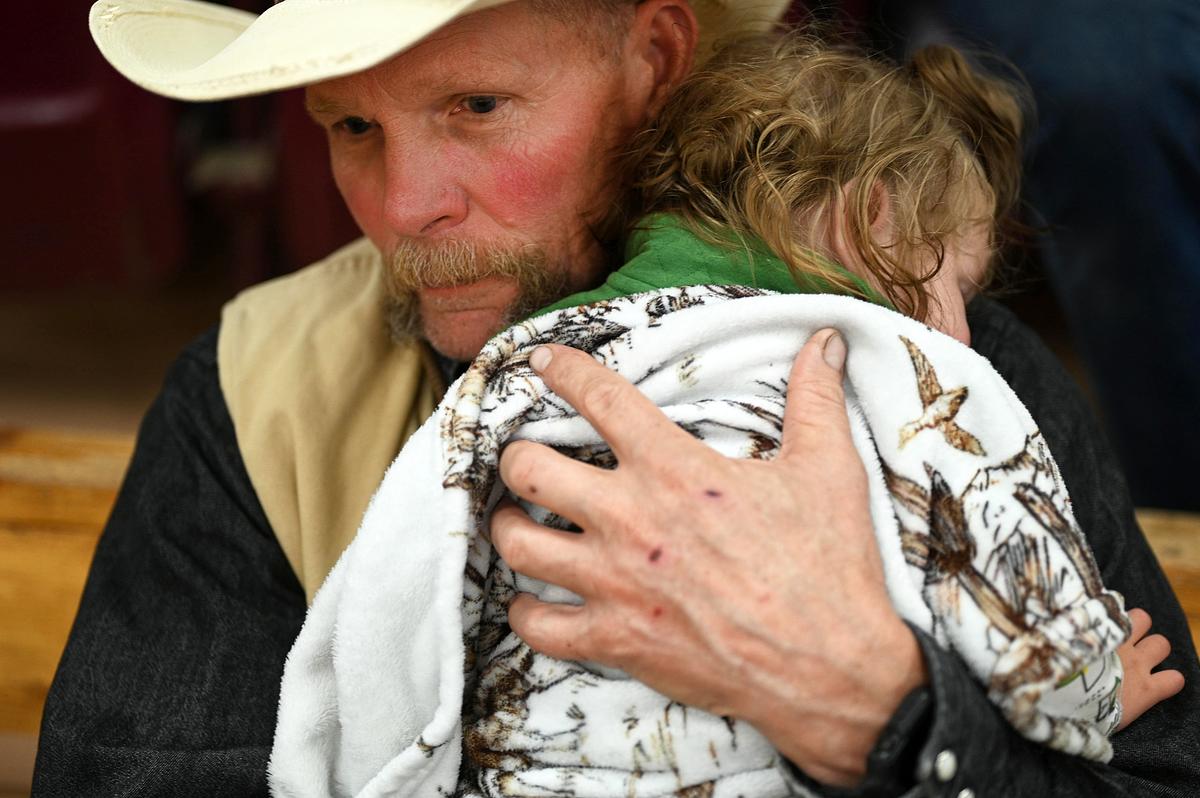
“Do you enjoy when you get your paycheck? Every two weeks or every month, everybody gets a little euphoric feeling when they open up that envelope. We get that once a year,” Johannes said. “So is there stress involved? Absolutely.”
But the payoff is more significant to him than money, even when it’s as big as it was this year.
“You’ve succeeded, you’ve made it across the finish line,” Johannes said. “I’ve done the best I can with what I had available and I gave those buyers the best product I could. So there’s pride.”
LATEST STORIES
Montanans want more solar, natural gas development, are less interested in new coal plants
The poll results on Montana’s energy mix come as politicians and policymakers grapple with surging electricity demand spurred by investment in artificial intelligence and the data centers that support it.
Poll week: How Montanans feel about sales tax, immigration and state officials
We polled Montana voters on an array of issues. Results will roll out the week of March 2.
Where does eastern Montana start? Montanans disagree
Montana is in many ways a land of two halves: a western Montana of snow-capped mountains and national forests joined in political unity with an eastern Montana of wide-open plains and flatland agriculture. It’s a time-honored divide: peaks versus plains, Missoula versus Miles City, Flathead versus Fort Peck lakes. But where exactly is the dividing line?