

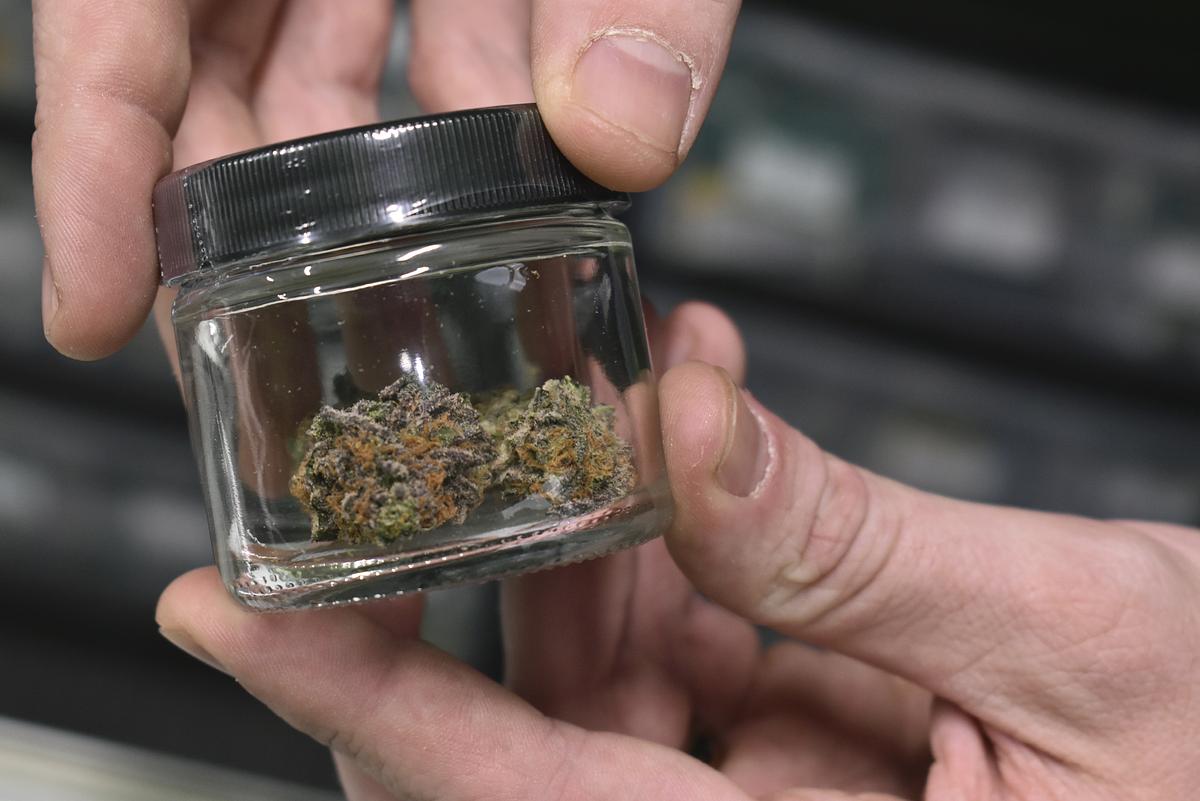
In the four years since Montana began allowing the legal sale of adult-use marijuana on Jan 1, 2022, the state’s retailers have sold more than $1 billion in product as adult-use sales rise more than enough to offset a sharp decline in purchases regulated and taxed as a medical product.
From January 2022 through December 2025, total monthly medical and adult-use marijuana sales increased by about 13% to $27.3 million according to data from the Montana Department of Revenue. Over that same period, monthly medical marijuana sales alone fell by more than 70%.
The department tabulated $327 million in annual sales last year, 90% of that sales labeled as adult use. Those sales translated into nearly $60 million in tax revenue.
In 2022, Montana dispensaries sold about $304 million in marijuana products, roughly a third of that for medical marijuana sales. By 2025, annual sales had risen to about $327 million — or $287 per capita — with adult-use sales accounting for nearly 90%.

The result is a market that looks markedly different from 2022, when legalized sales approved by voters in 2020 took effect in some counties under implementation law passed by the 2021 Montana Legislature. Medical marijuana, which had been legal to patients with medical marijuana cards since 2004, represented 40% of sales in 2022 but now accounts for around one-tenth of the overall market.
Monthly sales fluctuated throughout the period, typically rising during the summer months and dipping slightly in the winter. Throughout 2022, adult-use sales climbed to nearly $20 million by year’s end. Medical sales declined sharply over the same period, falling from over $10 million in January to less than $6 million by December.
Excluding local-option taxes, medical marijuana sales are taxed at 4%, while adult-use marijuana is taxed at 20% — five times higher. As a result, the growth in adult-use sales generates substantially more revenue than medical marijuana, with annual tax revenues increasing 44% between 2022 and 2025.
Over the four year period, Montana collected $217 million in marijuana tax revenue. Of that, about $207 million came from adult-use sales, compared with under $10 million for medical.
Some adult-use purchases may still be driven by medical needs, said Kate Cholewa, a Montana-based marijuana policy lobbyist, noting that for many buyers there are “calculations involved” around cost and privacy. People who use small volumes of marijuana for medical purposes, for example, may not recoup the upfront cost of a medical marijuana card that qualifies them for the lower sales tax rate.
“I would suspect there are people in the adult market who are medical,” she said.
LATEST STORIES
2026 election slates up and running
One week into the filing period for the 2026 elections, one thing is clear: The biggest primary race, to be decided in June, will be the Democratic contest for Montana’s Western U.S. House District. Four candidates are already vying for the Democratic nomination to face incumbent Republican Rep. Ryan Zinke.
EPA finalizes repeal of emissions rule that could have forced Colstrip’s closure
The U.S. Environmental Protection Act’s announcement comes amid a suite of changes the agency has adopted to reverse former President Joe Biden’s climate and public health initiatives.
State business leaders react as Supreme Court nixes many Trump tariffs
As the U.S. Supreme Court declared many of President Donald Trump’s import tariffs unconstitutional Feb. 20, state business leaders reached by Montana Free Press were split on whether the ruling will make life easier for Montana businesses that have struggled to navigate the president’s often-volatile trade policies.