

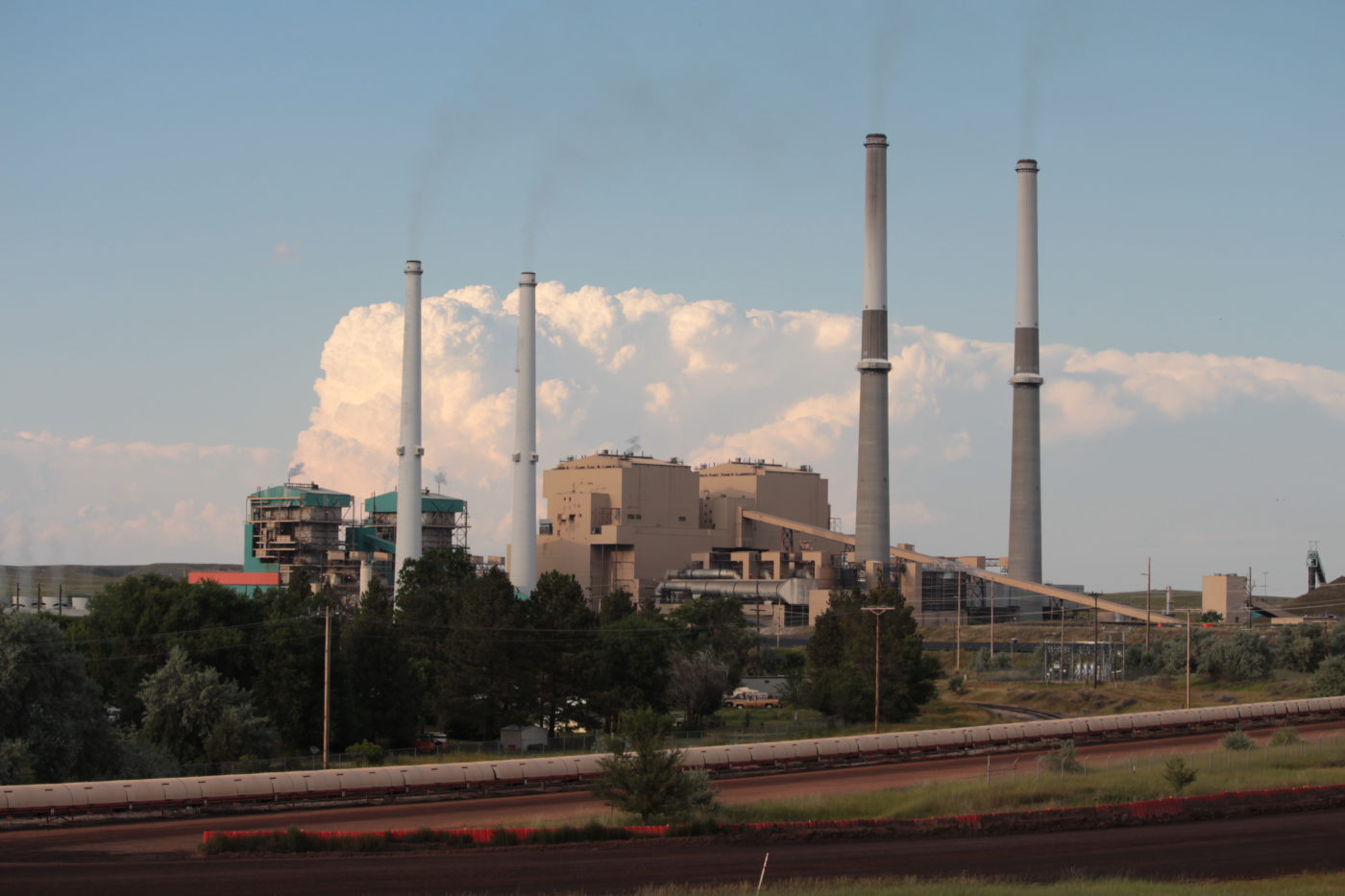
The U.S. Environmental Protection Agency has reversed a Biden-era air quality rule that tightened regulations for heavy metals released when coal is burned to make electricity — a rule that could have forced the closure of Montana’s largest power generator, the Colstrip coal plant.
EPA Administrator Lee Zeldin wrote in a Friday morning press release that the agency had undone a regulatory action by his predecessor that would have “destroyed reliable American energy.” The rollback of the Mercury and Air Toxics Standard, or MATS rule, has been widely anticipated since the early days of President Donald Trump’s second term.
“The Biden-Harris Administration’s anti-coal regulations sought to regulate out of existence this vital sector of our energy economy,” Zeldin said in the release. “The Trump EPA knows that we can grow the economy, enhance baseload power, and protect human health and the environment all at the same time. It is not a binary choice and never should have been.”
Environmental groups argued that the EPA is failing to comply with federal laws that require industrial polluters to protect downwind communities from unnecessary health risks.
Montana Environmental Information Center Executive Director Anne Hedges told Montana Free Press in a Friday morning interview that legal challenges to the rule repeal are likely. “Reams” of data established that the 2024 standard is both achievable with current technology and protects public health, she said.
RELATED
EPA moves to lift air standards rule, lawsuit follows
The U.S. Environmental Protection Agency moved to reverse the Mercury and Air Toxics Standard rule that the Biden administration implemented last year to reduce airborne emissions of heavy metals and soot when coal is burned to create electricity. The move is being challenged in court.
“Trump doesn’t have the right to rewrite the Clean Air Act,” Hedges said. “There is no doubt that there will be lawsuits over this because we are talking about lives — lives that are being harmed, lives that are being lost. He has picked the coal industry over people’s health and their prospect of getting cancer from really serious pollution sources like arsenic.”
Rob Byron, a physician with Montana Health Professionals for a Healthy Climate, wrote in a statement that increased air pollution resulting from the rule repeal “will result in many more Americans dying needlessly and thousands more hospitalizations.”
“In repealing the 2024 MATS standards, the current administration again puts corporate profits ahead of Americans’ health,” Byron said.
The coal-fired plant in Colstrip has been at the center of the debate over the 2024 rule. NorthWestern Energy, the utility that co-owns the plant, argued in a federal lawsuit seeking to halt the rule’s implementation that it was forced into an “untenable” position by the stricter standard: retire the plant early, or spend $350 million on upgrades only to face another closure risk in another few years if another set of Biden regulations comes down even harder on coal plants over climate change concerns. (Zeldin’s EPA has also moved to reverse those greenhouse gas regulations.)
With support from Montana politicians, NorthWestern secured a temporary reprieve from the MATS rule last spring using a section of the Clean Air Act that allows plant to receive a two-year variance from a standard “if the President determines that the technology to implement such a standard is not available and that it is in the national security interests of the United States to do so.”
RELATED

Trump rolls back Biden coal policies
The Colstrip power plant and the Spring Creek Mine received lifelines as the Trump administration moved to prop up the flagging coal industry by rolling back pollution regulations Trump’s predecessor adopted and expanding access to federal coal.
In a Friday afternoon text message, NorthWestern spokesperson Jo Dee Black thanked Montana’s federal delegation for working to repeal the standard in “support of an outcome that reflects Montana’s needs.”
“Today’s EPA decision helps ensure Montanans continue to have reliable, cost-effective energy service in all weather conditions, including during cold winter nights,” she wrote.
Montana Gov. Greg Gianforte also cheered the EPA’s announcement, arguing that coal plant jobs will be protected as a result of the regulation repeal.
“The demand for energy is only increasing. Through this action, the federal government shows its support for states like Montana that are focused on strengthening and securing our grid to keep the lights and heat on in our homes, schools and businesses,” Gianforte said in the release.
The announcement comes as federal policymakers have taken other steps to prop up the faltering coal industry, such as reopening the Powder River Basin to new leases and lowering royalty rates for federal coal.
LATEST STORIES
Montanans want more solar, natural gas development, are less interested in new coal plants
The poll results on Montana’s energy mix come as politicians and policymakers grapple with surging electricity demand spurred by investment in artificial intelligence and the data centers that support it.
Western Montana U.S. Rep. Ryan Zinke said he won’t seek reelection citing health problems
“I have made the decision to leave office at the end of my fourth term and not seek re-election,” Zinke said Monday in a letter to constituents.
Poll week: How Montanans feel about sales tax, immigration and state officials
We polled Montana voters on an array of issues. Results will roll out the week of March 2.