

As 2025 closes out, Montana Free Press reporters are reflecting on the work they’ve done over the course of the year — and what they expect to be writing about heading into 2026.
I joined Montana Free Press as an Indigenous affairs reporter in February. In the 10 months since I’ve been here, I’ve written about some of the most challenging issues facing Indian Country — and several big wins for Montana’s Native residents.
The 2025 legislative session, which concluded in May, produced several major successes for the American Indian Caucus. After a decade of trying, the group of Native American lawmakers was able to pass legislation making Indigenous Peoples’ Day an official state holiday.
Native advocates were also able to pressure the state health department into restoring a tribal consultation position it had cut, spurring criticism, in 2023. Heidi DeRoche is the Department of Public Health and Human Services’ new tribal relations manager, responsible for communicating changes in state health policy to tribes and serving as a point of contact for tribal leaders who may have questions or concerns. I’m excited to follow her work in 2026.
I also wrote two stories this year focused on how Blackfeet community members are working to prevent suicide, a chronic issue for Montana that’s often heightened in tribal communities by factors that include overburdened and underfunded systems of care. Factors contributing to high suicide rates in tribal communities are myriad and overlapping, and community members say solutions must come from within — and be culturally informed. On the Blackfeet Reservation, educators are using heavy metal to help students process grief and face darkness head-on. And following their brother’s death, two sisters are creating a horse-based alternative to talk therapy.
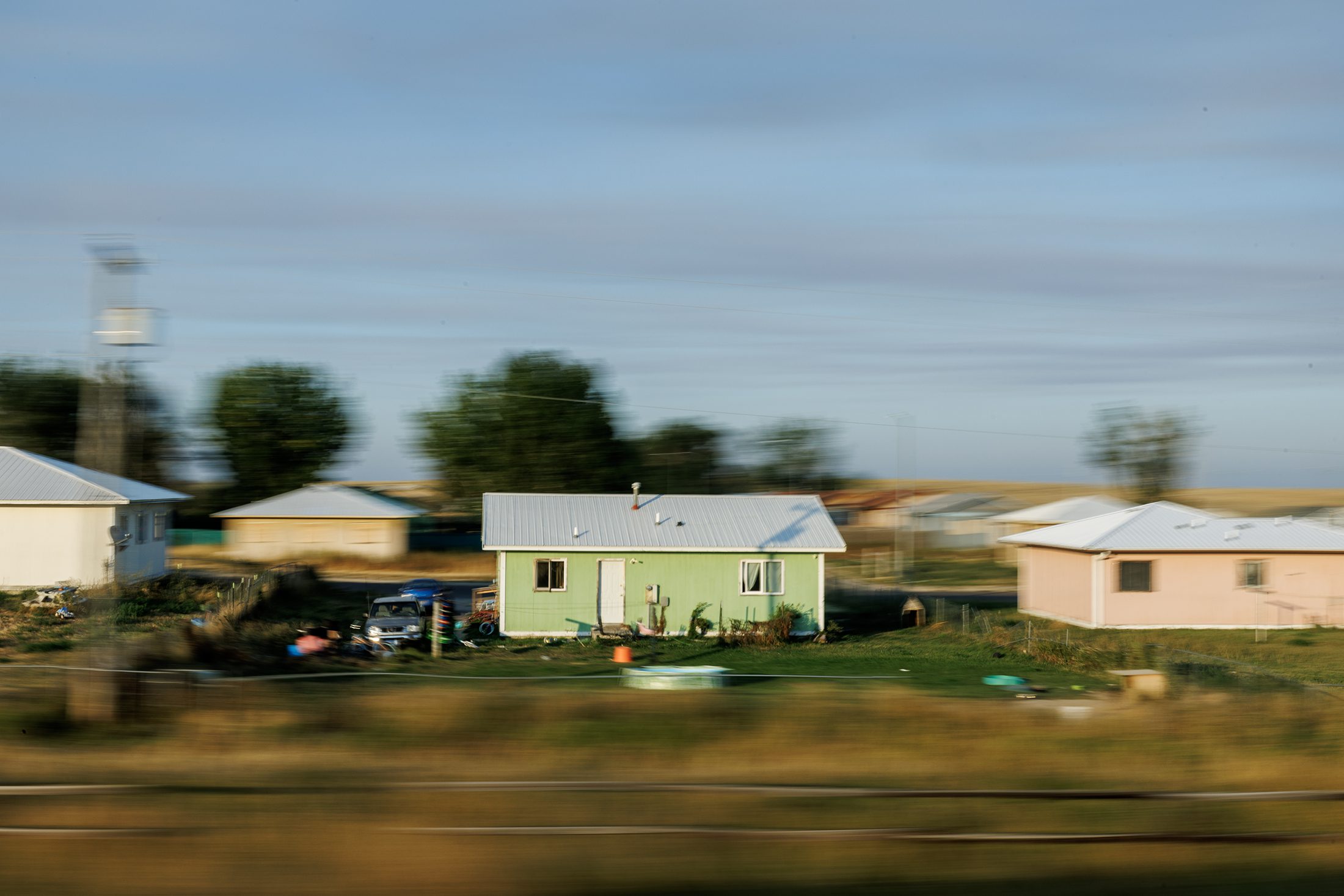
Last but not least, after years of wondering why it’s so hard to build housing in Indian Country, I spent this year reporting out an answer, talking to dozens of people and driving thousands of miles across the state along the way. My three-part series, The Shelter Gap, documents Indian Country’s housing crisis, investigates the root causes of chronic housing shortages on reservation land, and highlights what’s possible when residents achieve stable housing. I hope you’ll read it if you haven’t already.
WHAT’S ON THE HORIZON IN 2026?
There’s no shortage of topics that will keep me busy in the new year.
First, there’s Public Law 280, the focal point of a long-standing dispute between the state, Lake County and the Confederated Salish and Kootenai Tribes over who should pay for certain law enforcement services on the Flathead Reservation in northwest Montana. A new law passed by the state Legislature this year incentivizes the parties involved to resolve the conflict. I’m eager to track developments in the coming months.
Speaking of complicated conflicts, I’ve been following the Northern Cheyenne tribal president’s dispute with the tribe’s council for months. The volatile situation appears to have been sparked last spring when tribal President Gene Small initiated an audit into the council’s use of federal COVID-19 relief funds, drawing opposition from some council members. Then, in September, the tribal council voted to remove Small, citing alleged constitutional violations unrelated to the audit. With the Bureau of Indian Affairs declining to intervene, conflicting statements about who’s in charge have swirled around the community for months as both sides try to win over public opinion. Recently, the council faction turned to artificial intelligence to reach the public. I’m not sure how this conflict will be resolved, but I know I’ll be following it in the new year.
Then there’s the issue of blood quantum, a perennial debate in many Native communities that surfaced late this year via legislation proposed for the Crow Tribe. An often-sensitive concept rooted in assimilation tactics, blood quantum refers to the fractional amount of tribal affiliation in an individual’s ancestry. Most U.S. tribes use a blood quantum threshold to determine eligibility for tribal citizenship, which can in turn qualify someone for certain health care and housing services and determine whether they can vote in tribal elections, access educational scholarships or inherit certain land. But with each new generation, and as tribal members marry non-members and have children, it becomes harder for any tribe using the blood quantum standard to maintain its population.
Other tribes nationwide have grappled with the blood quantum conundrum in similar ways, and I’ll be following the issue when it comes before the Crow Tribe’s 18-member Legislature in January.
latest stories
Redevelopment of city properties restarting, advancing
City police wants public to stay off Jumbo, really.
Federal bill boosting voter registration requirements passes U.S. House
A Republican push to ratchet up voter ID requirements nationwide has passed the House with the support of Montana’s representatives and will now head to the Senate. The SAVE America Act is intended to make voter registration more secure — and too difficult for many Americans to comply with, opponents say.
Montana schools are struggling to pass funding levies
Data compiled by the Montana School Boards Association indicates fewer districts are running local-option levies — and fewer are getting a thumbs-up from voters.