

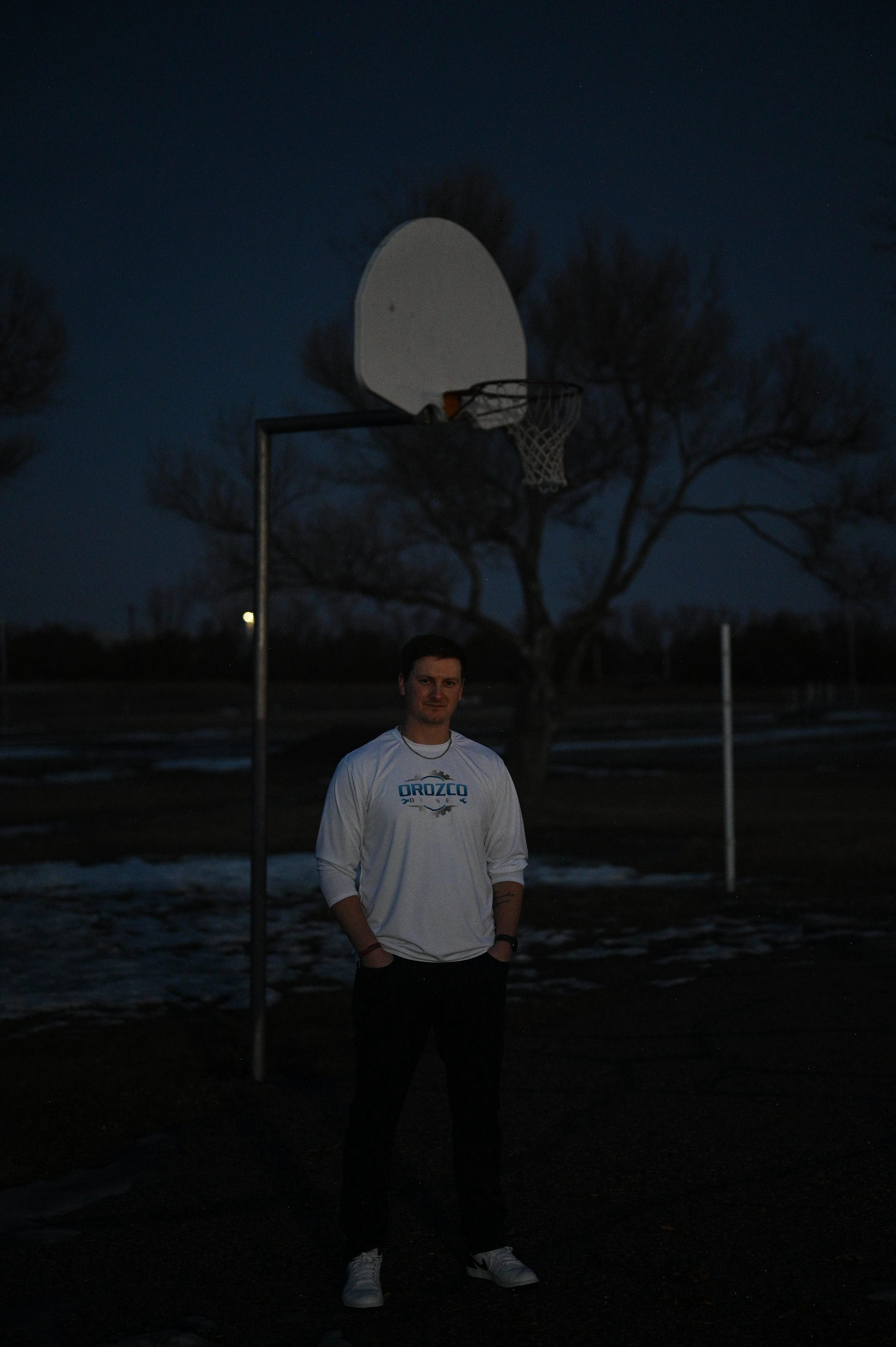
GREAT FALLS — Wearing jeans and a black sweatshirt with his father’s diesel shop logo on the front, Roberto Orozco Lazcano, 19, leaned forward on the wooden court bench in a federal courtroom.
He clenched his hands and tapped his foot on the floor. His younger brothers, Eduardo, 16, and Aaron, 14, and their high school classmates sat beside him, all wearing the same black Orozco Diesel sweatshirts.
The kids whispered and fidgeted. When the brothers’ father, Roberto Orozco-Ramirez, walked in, the room fell silent.
Orozco-Ramirez surrendered to law enforcement on Jan. 25 after Border Patrol agents had been staged outside his home and business for several days. Originally from Mexico, Orozco-Ramirez is an auto repair shop owner, Little League coach and father of four. He’s been living with his family in Froid for more than a decade.
The U.S. government alleged in court documents that Orozco-Ramirez had returned to the U.S. illegally after being removed once by U.S. Immigration and Customs Enforcement (ICE) in 2009. It also accused Orozco-Ramirez of threatening a federal officer when Border Patrol agents, in plain clothes and unmarked vehicles, approached him at his auto shop on Jan. 15. He’s been in jail for more than two weeks.
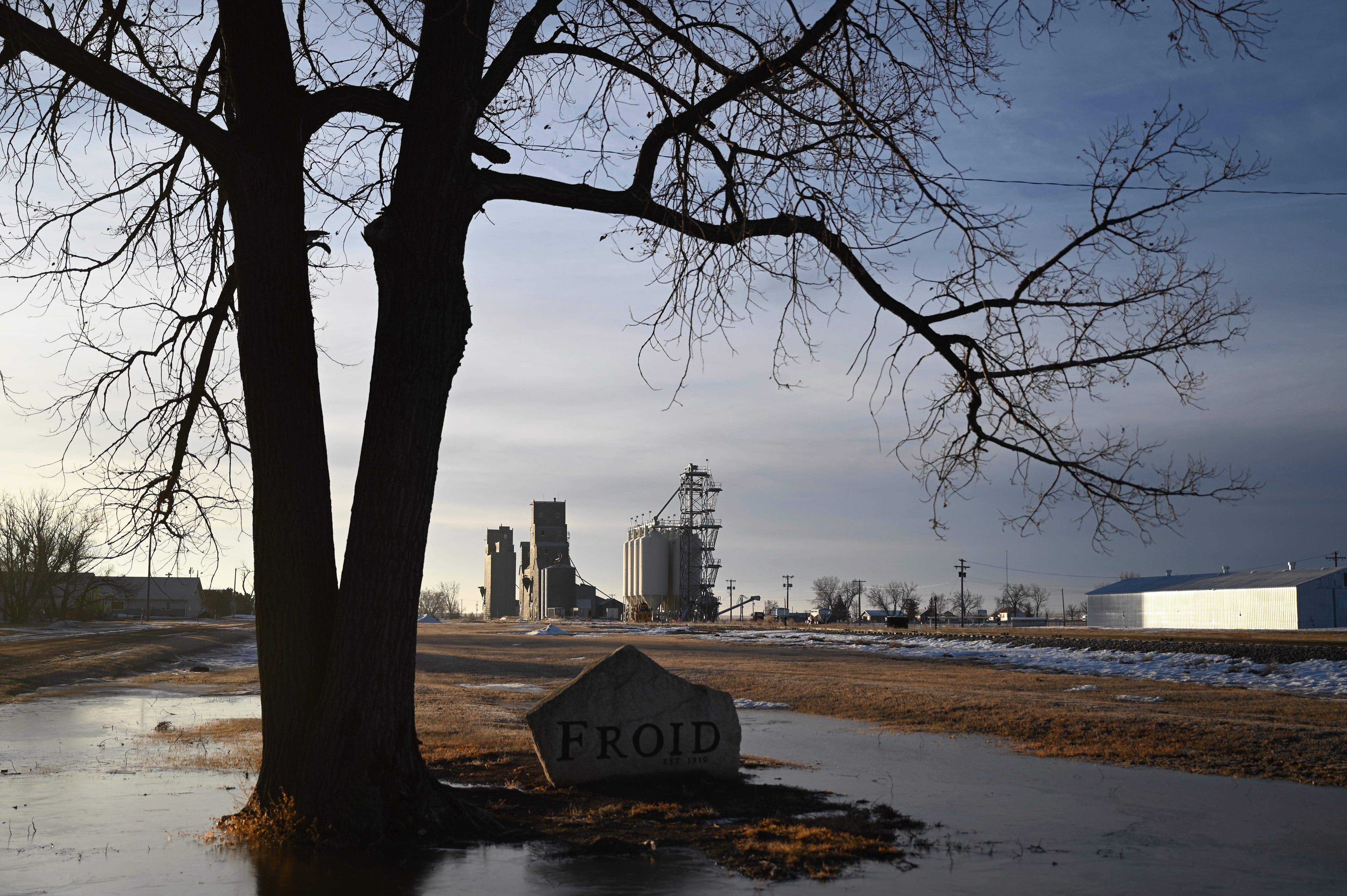
Orozco-Ramirez’s arrest has rocked Froid, a tiny town in northeast Montana home to just 195 residents. The way the town rallied around the sole Mexican family in town has captured the attention of people far beyond the community. His story has been shared by national media outlets. A coffee shop in Helena donated its proceeds for a day to Orozco-Ramirez’s legal fund. And several people who’ve never met Orozco-Ramirez or his family drove hours to show their support at his hearing.
On Monday, federal Judge John Johnston confirmed that a grand jury had charged Orozco-Ramirez with illegal reentry to the U.S., a felony that carries a maximum sentence of two years imprisonment and up to $250,000 in fines. People convicted of illegal reentry can also be barred from accessing benefits like obtaining a green card, or from returning to the U.S. The government’s earlier allegation that Orozco-Ramirez had threatened a federal officer, noted in the initial complaint, was not included in the indictment.
Beyond jail time and fines, deportation is the big concern for many Froid residents. The Orozco boys said their uncles, who were living in Montana, were both deported after being apprehended by Border Patrol in March and July of 2025. Their father’s arrest comes as the Trump administration deploys federal immigration agents in American cities, pushing for mass deportation, sometimes without clear processes.
In the courtroom on Monday, Orozco-Ramirez pleaded not guilty to illegal reentry. The judge said he could request a future detention hearing, where his lawyer would have an opportunity to advocate for his release. But an attorney representing the federal government argued Orozco-Ramirez should remain in jail, calling him “a flight risk.”
Froid residents shook their heads in disbelief.
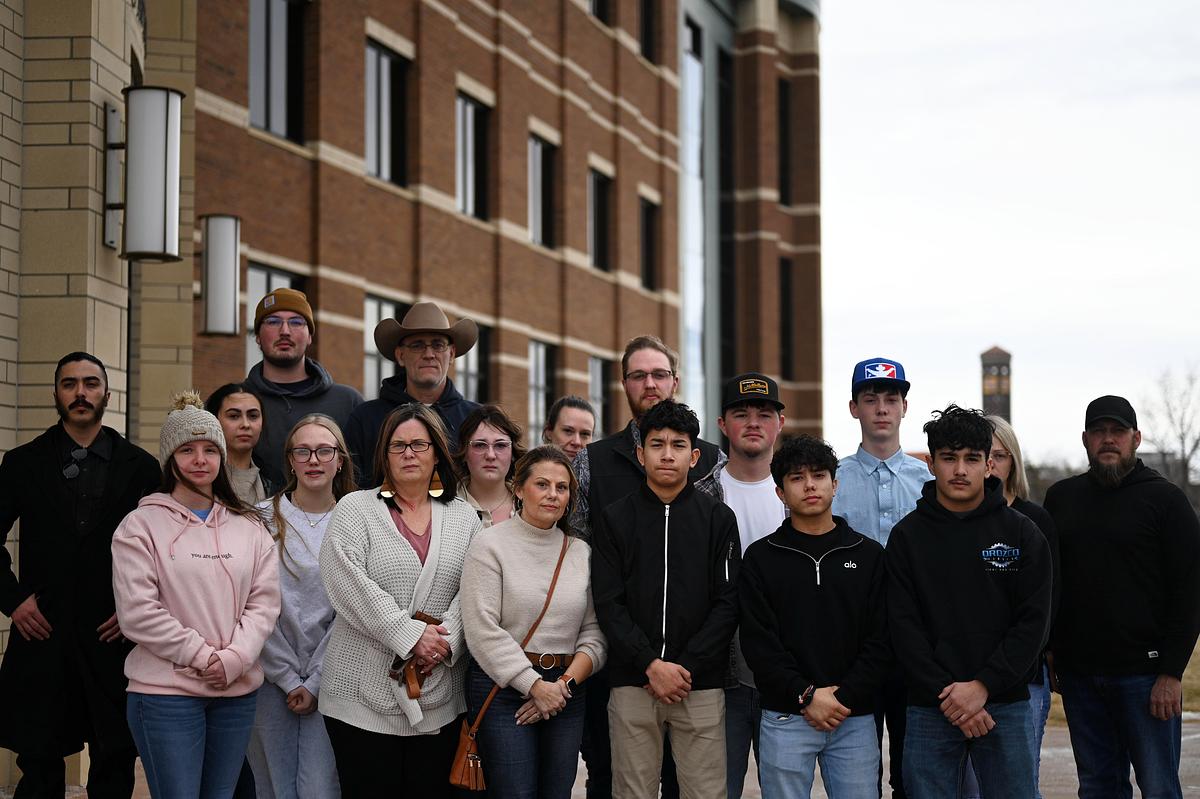
Surrounding the Orozco boys outside the courthouse after the hearing were almost a dozen friends and neighbors wearing the black sweatshirt with their father’s diesel shop logo.
T-shirts and sweatshirts with that logo have become a common sight in Froid in the two weeks since Orozco-Ramirez’s arrest, worn by youth and adults not typically prone to taking public stances on immigration issues. His neighbors were eager to telegraph that he belongs.
“It’s just the right thing to do,” Chase White, who coaches the Froid/Medicine Lake boys’ basketball team, said of wearing the Orozco Diesel shirts.
The gear has also sparked some pushback, highlighting the complicated dynamics around immigration enforcement unfolding in one small Montana town.
HOW THE SHIRTS CAME TO BE
Laurie Young, who serves on Froid’s Town Council and works as a school cheer coach, makes custom clothing as a side gig. When her son, in the same grade as one of the Orozco boys, asked what the basketball team could do to show its support, she immediately thought of t-shirts.
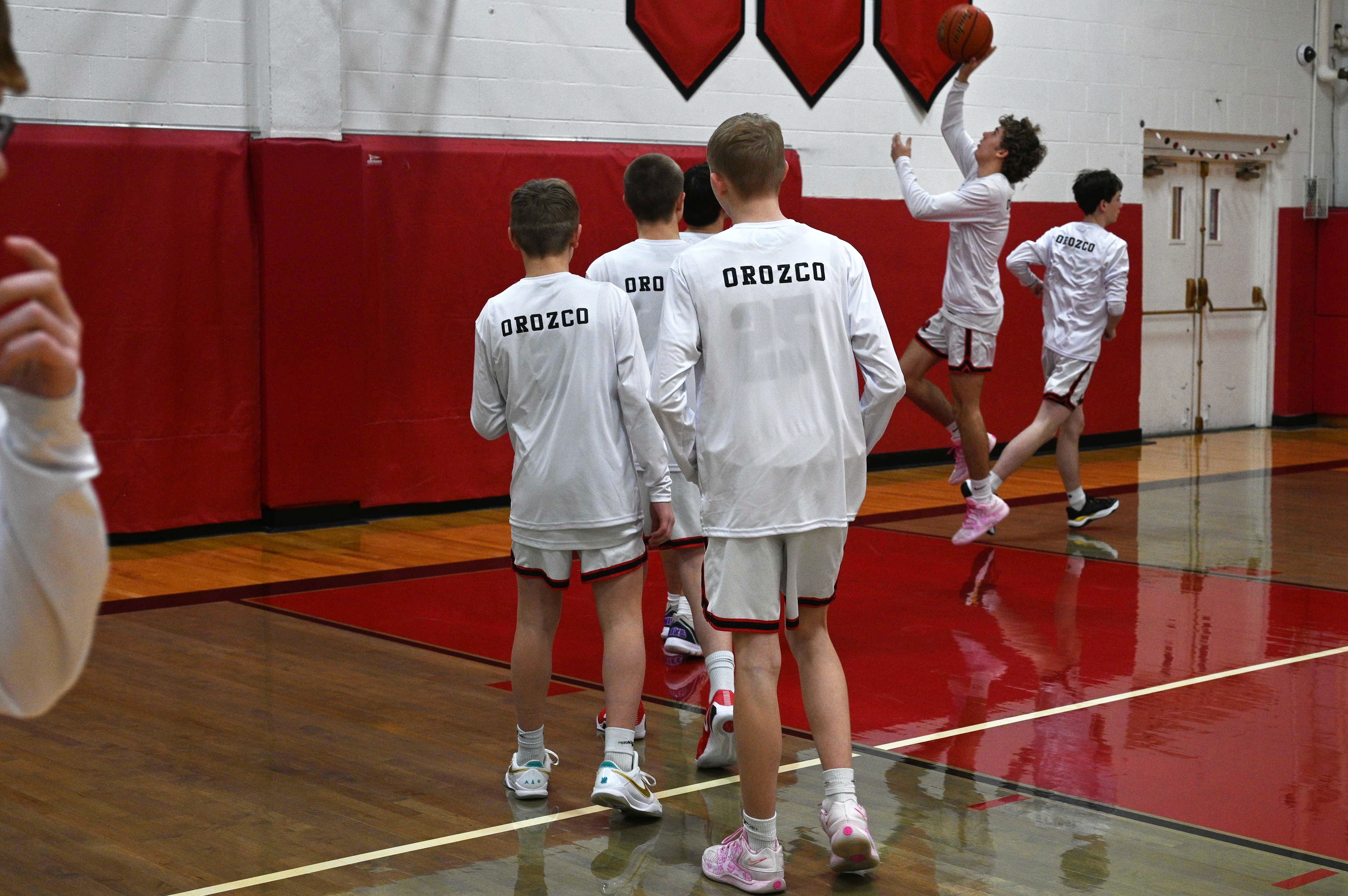
It didn’t take long for Young to make dozens of white long-sleeve shirts with the Orozco Diesel logo on the front and “OROZCO” in big black letters on the back. Inside the Medicine Lake School gym north of Froid, on Saturday night, the Froid/Medicine Lake boys basketball team wore the shirts as they warmed up. Located 12 miles apart, the tiny Froid and Medicine Lake schools combine to form sports teams.
About 250 fans stomped on bleachers and cheered as the Froid/Medicine Lake team faced off against the Bainville Bulldogs, a friendly rival. Aaron Orozco Lazcano grabbed the ball. He paused in a low athletic stance and looked up at the basket.
At 5 feet 5 inches tall and with a quiet demeanor, Aaron is an unassuming player. He looked down, dribbled around a defender and scored from the three-point line. The gym, packed with more people than Froid’s population, erupted in cheers. Aaron’s brother and teammate, Eduardo, patted him on the back.
Their father — who normally never missed a game, and who often shouted strategy to his sons in Spanish — was hundreds of miles away in Cascade County jail. Their mother, too fearful to leave her home, wasn’t there either.
Even so, visible support from the community surrounded the boys in the gym. Their coaches wore t-shirts with their father’s auto shop logo. Some fans in the stands wore similar shirts and sweatshirts. Others wore white and gray bracelets with the words “OROZCO STRONG” in big blue letters.
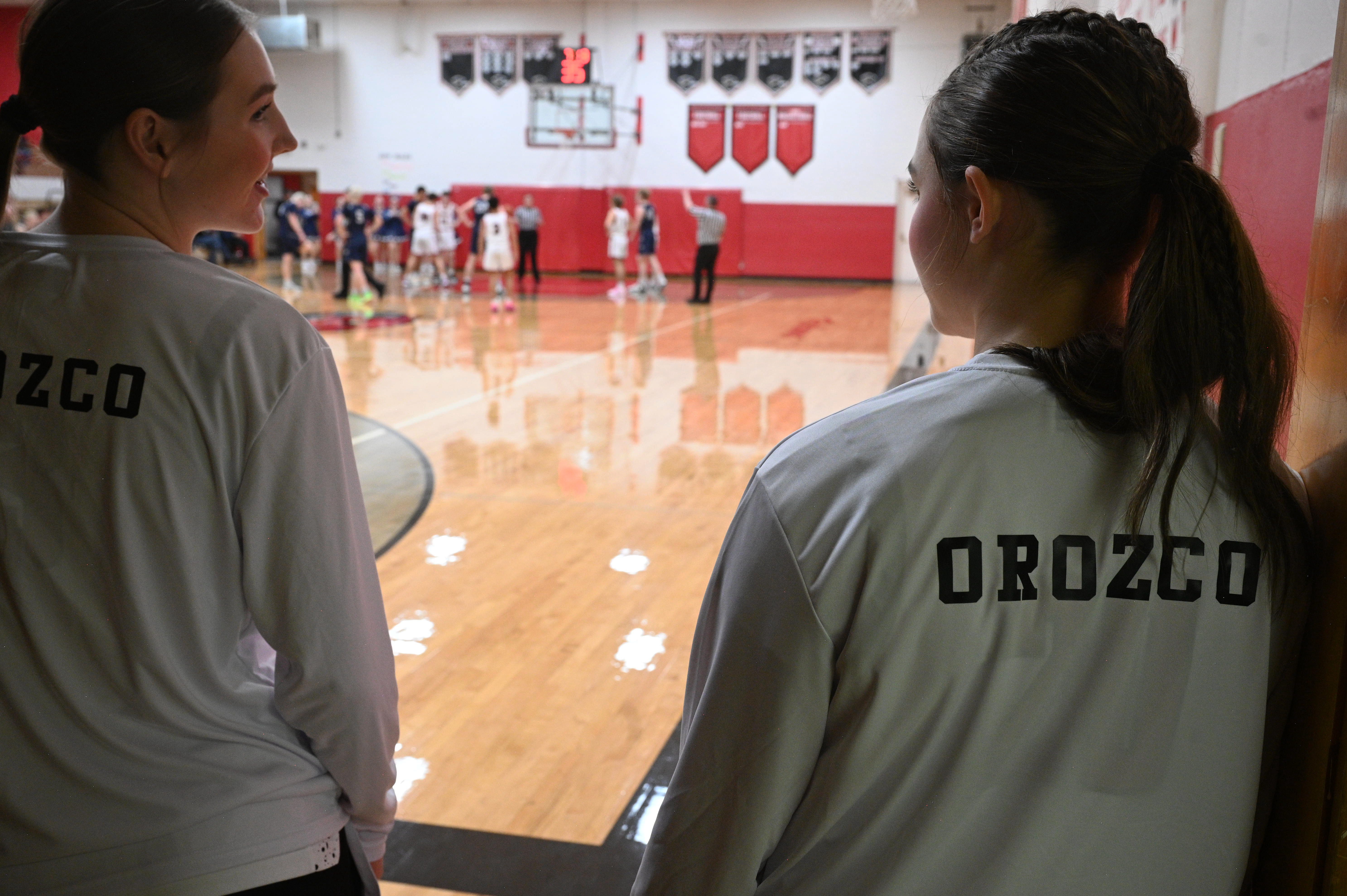
“The shirts the teams were wearing were a big release for the kids,” said Marvin Qualley, a spring wheat farmer and school bus driver in Froid. “They saw the community behind the Orozco family, but they weren’t doing anything. So the shirts were the way for them to show support.”
But on Facebook, some residents questioned whether the clothes were made with taxpayer dollars. Others criticized them as an anti-law enforcement gesture. Young took to Facebook to clarify that she’d paid for them herself.
In Froid, public stances come with risk. Disagreements can cost a local business its customers and a family its livelihood.
“The population is so small that it can’t be divided by how you voted,” said Froid Mayor Sheri Crain. “We live too close together. If we started drawing lines, you wouldn’t have any friends left. You wouldn’t have community.”
RELATED
When Border Patrol arrested a beloved mechanic in Froid, Montana, neighbors were forced to reckon with national immigration policy
Roberto Orozco-Ramirez’s detainment has brought the Trump administration’s national immigration crackdown to a small, conservative town in Montana. As community members rally to support their neighbor and friend, many grapple with their own complicated beliefs on immigration.
OROZCO BOYS
Their father’s arrest has also thrust the Orozco boys, who are U.S. citizens, into an uncomfortable spotlight. As the story has spread across Montana and beyond, online comments have flowed in both from people looking to support the family and from those who criticize their father for not obtaining legal citizenship.
“Could have used those 10 years to get his citizenship,” one commenter wrote when Montana Free Press shared the story. “If you’ve been in the country ten plus years, set up a business, and pay taxes and successfully evaded immigration officials that long, I’d say the [Department of Homeland Security] can go to hell,” another commenter wrote. “He sounds like someone that this country wants.”
Roberto Jr. said he wishes more people understood the reality of gaining citizenship in the U.S.
“People have to realize that if citizenship was as easy as going online, filing something and then getting your citizenship, nobody in the United States would be illegal,” Roberto Jr. said.
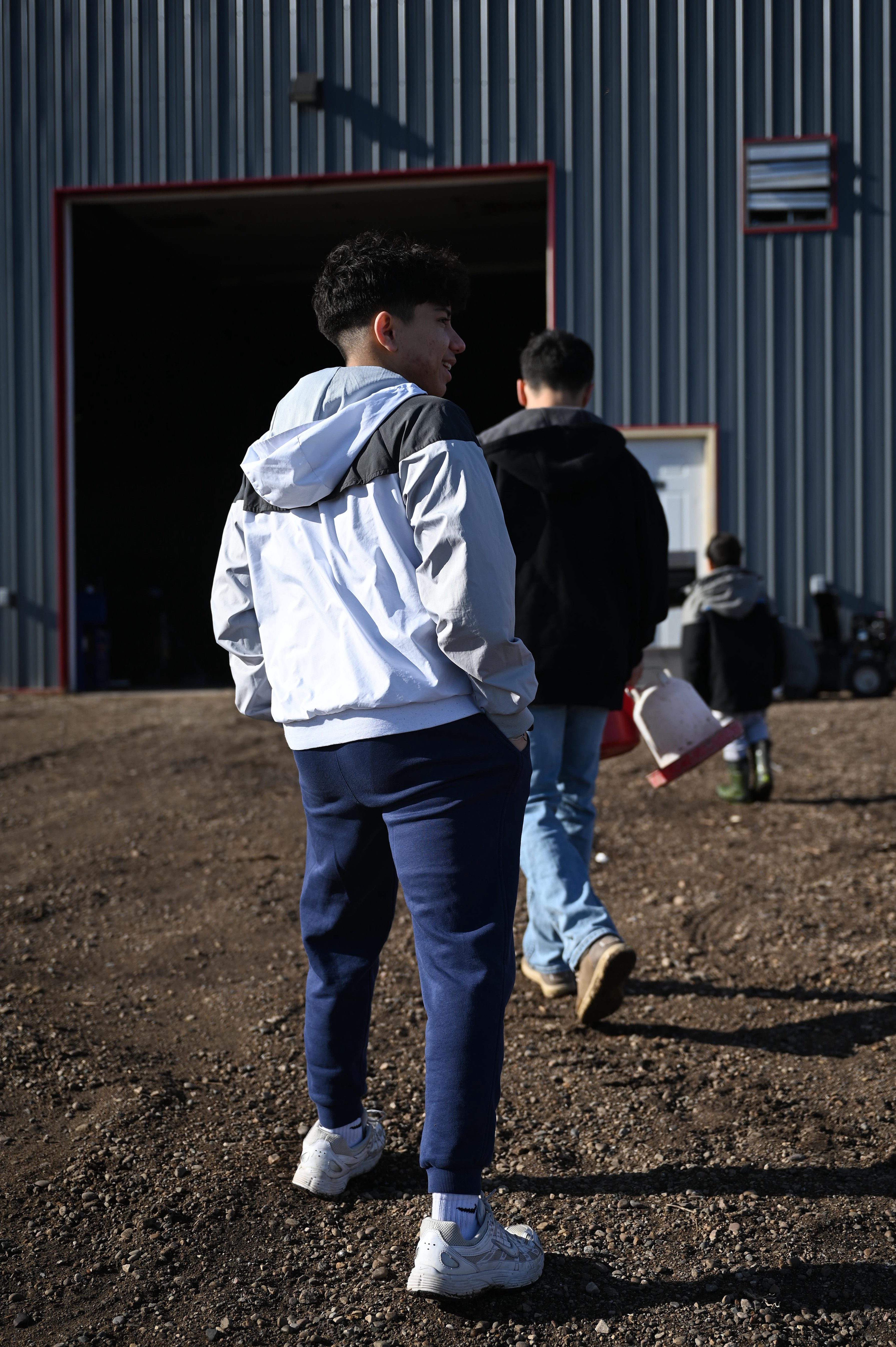
The boys say they’re grateful for the community support, but it can also make them feel self-conscious.
“It’s weird,” said Eduardo, a high school junior. “Going to games, they support us, wearing shirts and sweatshirts and everything, but I just feel like I’m being watched all the time.”
Roberto Jr. said he worries whether he’s “talking too much or laughing too much” in the stands during his brother’s basketball games.
Credit: Lauren Miller, Montana Free Press, CatchLight Local/Report for America
“I kind of sit there like, ‘Dang, people might think that I’m OK and that we don’t need the help,’” he said.
But the boys and their mother aren’t OK, family members said. The boys are still shaken by the feeling that Border Patrol was following them, even though they hadn’t violated any laws. In the week leading up to their father’s arrest, classmates and parents said they noticed Border Patrol vehicles outside their home and their dad’s shop.
Aaron and Eduardo were scared enough to stay home from school for a week. Roberto Jr., a freshman at Williston State College in North Dakota, began taking classes entirely online so he could be home with his family in Froid. The three older brothers have tried to work on some of the vehicles left at their dad’s shop, doing small jobs like an oil change or replacing antifreeze, but their skills are nothing like their father’s. At home, they do their best to keep their 7-year-old brother, Ricardo, distracted.
“We told him that my dad was on vacation in Hawaii,” Roberto Jr. said.
The hardest part of their father’s arrest, the boys said, is not knowing what could happen next.
Though deportation proceedings would play out in a separate immigration court, Randall Caudle, an immigration attorney for a Missoula-based law firm, said federal courts will typically dismiss illegal reentry charges if a person is willing to self-deport and return to their home country. But many residents don’t make that decision lightly, Caudle said.
“There have been people being deported to Mexico and going back to their hometown that they haven’t been to in forever and finding it’s controlled by a cartel,” he said. “So they’re going back to a dangerous place that’s very different from what they left and that they’re not familiar with anymore.”
Outside the courthouse after their father’s brief hearing on Monday afternoon, the Orozco boys huddled with the friends who had accompanied them on the 400-mile drive from Froid.
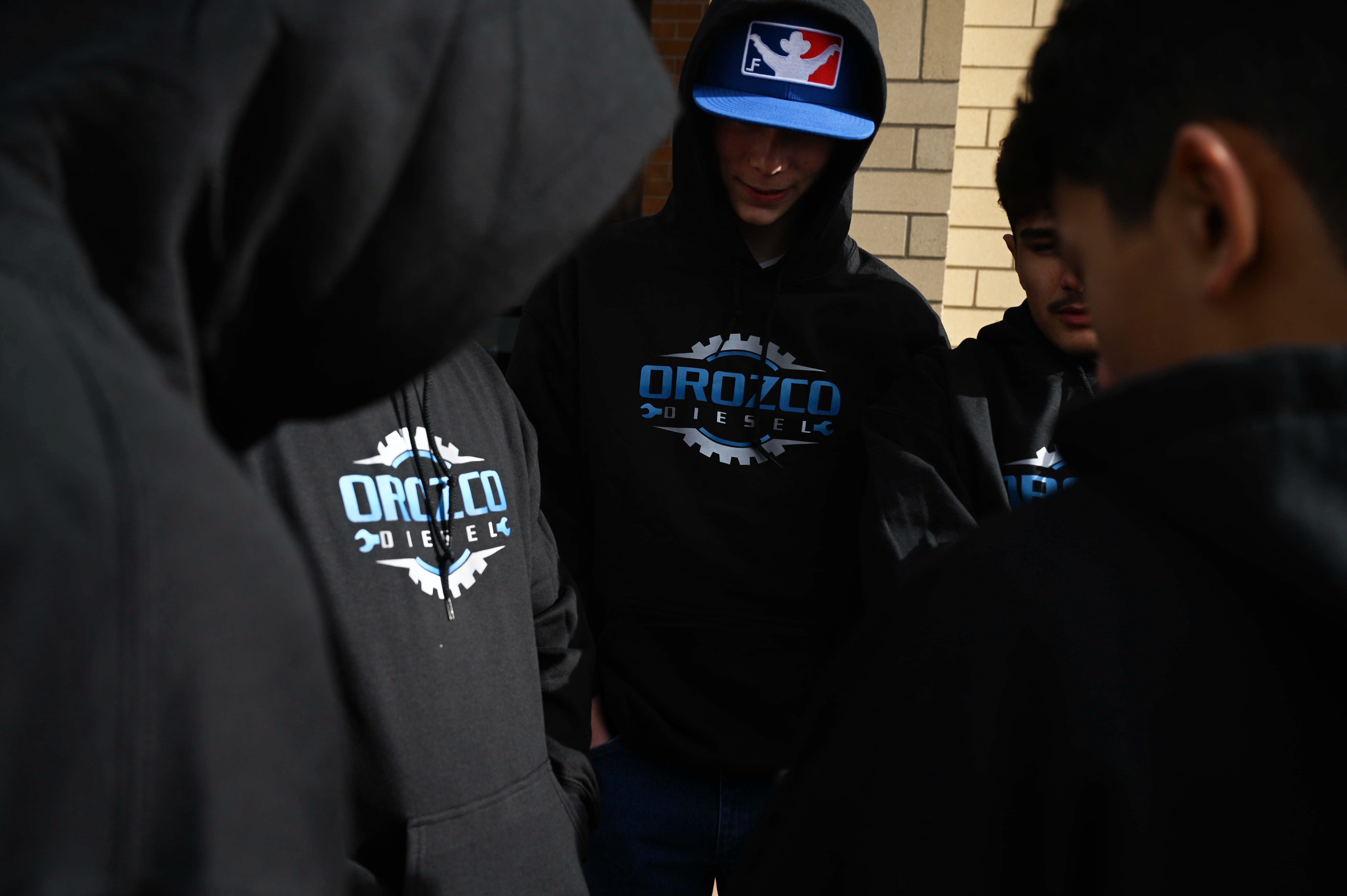
Ultimately, the hearing left them with more questions than answers. The group made plans to stop for coffee and gas before starting the seven-hour trek home.
Wearing a mustard-yellow sweater, Jill Joyce walked into the sea of black Orozco Diesel hoodies. She had read about the case and driven three hours from Gallatin Gateway to show her support. She had picked up a friend in Helena, and another friend drove from Neihart, about an hour south of Great Falls.
“So,” Joyce said, walking up to the Froid residents. “Where can I get a sweatshirt?”
LATEST STORIES
Gianforte extends deadline for landlords to avoid second-home tax
Gov. Greg Gianforte that a “technical glitch” has spurred the state to extend an application deadline that thousands of Montana landlords need to meet in order to avoid the state’s new second-home tax. The deadline, which had been set for March 1, has now been pushed back to midnight on March 20.
Montana ranks 7th for U.S. Olympians per capita
Montana ranks seventh in the nation for the number of Olympic athletes by birthplace on a per-capita basis since 1924, placing the state behind Alaska and New Hampshire and ahead of New York and Rhode Island.
BLM nominee talks land sales, local management in Senate confirmation hearing
Steve Pearce, a New Mexico Republican who appeared before the Senate Energy and Natural Resources Committee on Feb. 25, 2026, has come under fire from conservation groups for formerly calling for the sale of federal land to reduce the federal deficit.