

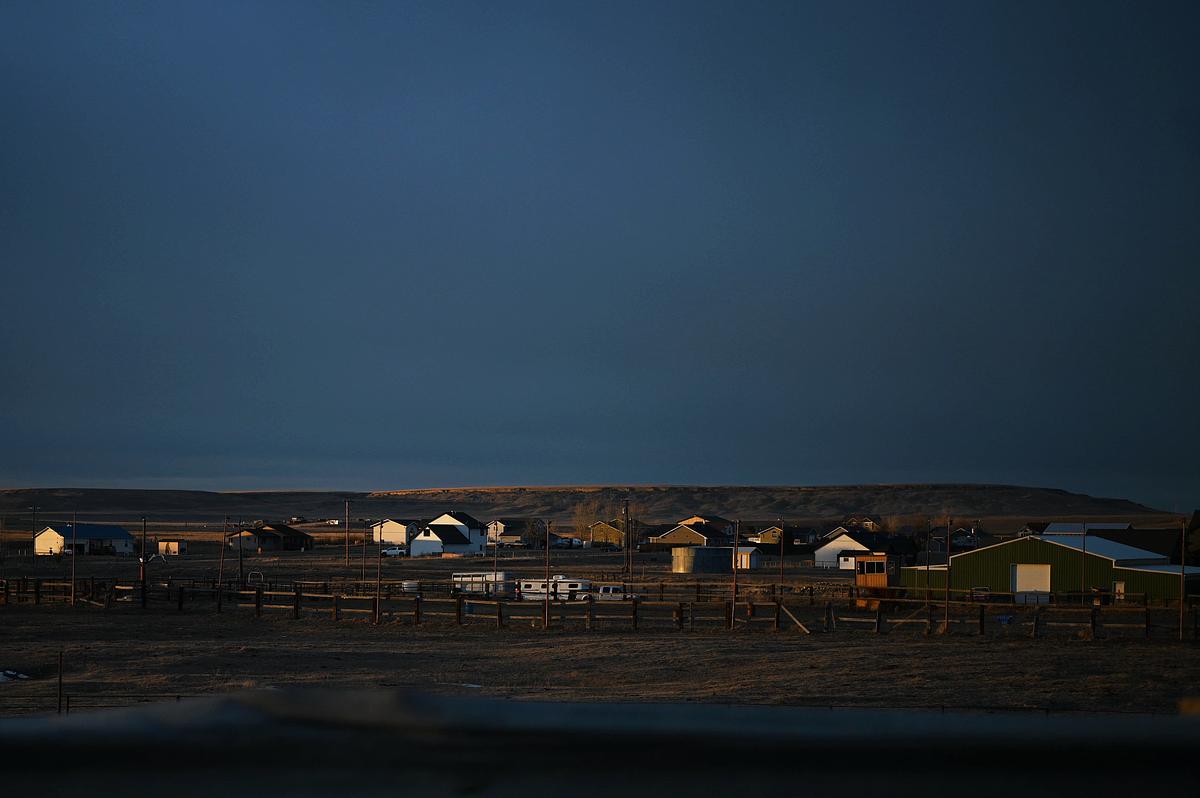
After several years of rapid expansion during the COVID-19 pandemic, Montana’s population growth rate has continued settling to a slower pace according to 2025 figures released by the U.S. Census Bureau this week.
The Census Bureau estimates Montana added 7,137 residents between mid-2024 and mid-2025 for an annual growth rate of less than one percent. That’s a modest increase from the roughly 5,900 residents added the previous year but remains far below the nearly 18,000 added in 2021, the peak of the pandemic migration surge.

The past two years have also seen slightly slower population growth than the pre-pandemic years. Between 2011 and 2019, the state averaged around an annual population increase of 8,800 residents, an annual growth rate of 0.86%.
By comparison, the 7,137 residents added in 2025 translated to a 0.62% increase, the second-lowest growth rate in the past fifteen years after 2024.
Migration continues to be the primary factor driving Montana population change. In 2025, net migration, the number of people who moved into the state minus the number who moved away, added an estimated 7,247 residents. The vast majority, 6,348, moved from other U.S. states while just under 900 were international arrivals, the bureau estimates.
Without migration, Montana’s population would have barely changed as the state recorded 90 fewer births than deaths in 2025, a reflection of Montana’s older population and low birthrate. While the state has typically seen a few more deaths than births in recent years, the bureau’s statistics saw that trend reverse for the first time since 2019, with 12 more births than deaths.
County-level population data slated for a March release and city-level population expected for May will let statisticians and the public evaluate growth trends specific to different parts of the state. The 2024 data indicated that Kalispell was the fastest growing urban area while Bozeman’s historic growth was slowing.
These annual estimates are part of the Census Bureau’s efforts to track population change between the once-every-ten-years decennial censuses, which is mandated by the U.S. Constitution. Each year’s figure reflects the population as of July 1, so the population growth figure for 2025 estimate measures changes from July 1, 2024, to July 1, 2025.
LATEST STORIES
75% of voters want Montana to have at least as much federal land as it does now
Federal land transfer has been a party of the GOP party platform at both the state and national level, but a recent MTFP-Eagleton poll indicates that a majority of Republican voters oppose reducing the amount of land in federal ownership.
Secretary of State Christi Jacobsen joins contest for Zinke’s western U.S. House District seat
Jacobsen made her announcement on Facebook with a campaign video portraying her as both a political outsider and the favorite of Donald Trump.
Montanans want more solar, natural gas development, are less interested in new coal plants
The poll results on Montana’s energy mix come as politicians and policymakers grapple with surging electricity demand spurred by investment in artificial intelligence and the data centers that support it.