

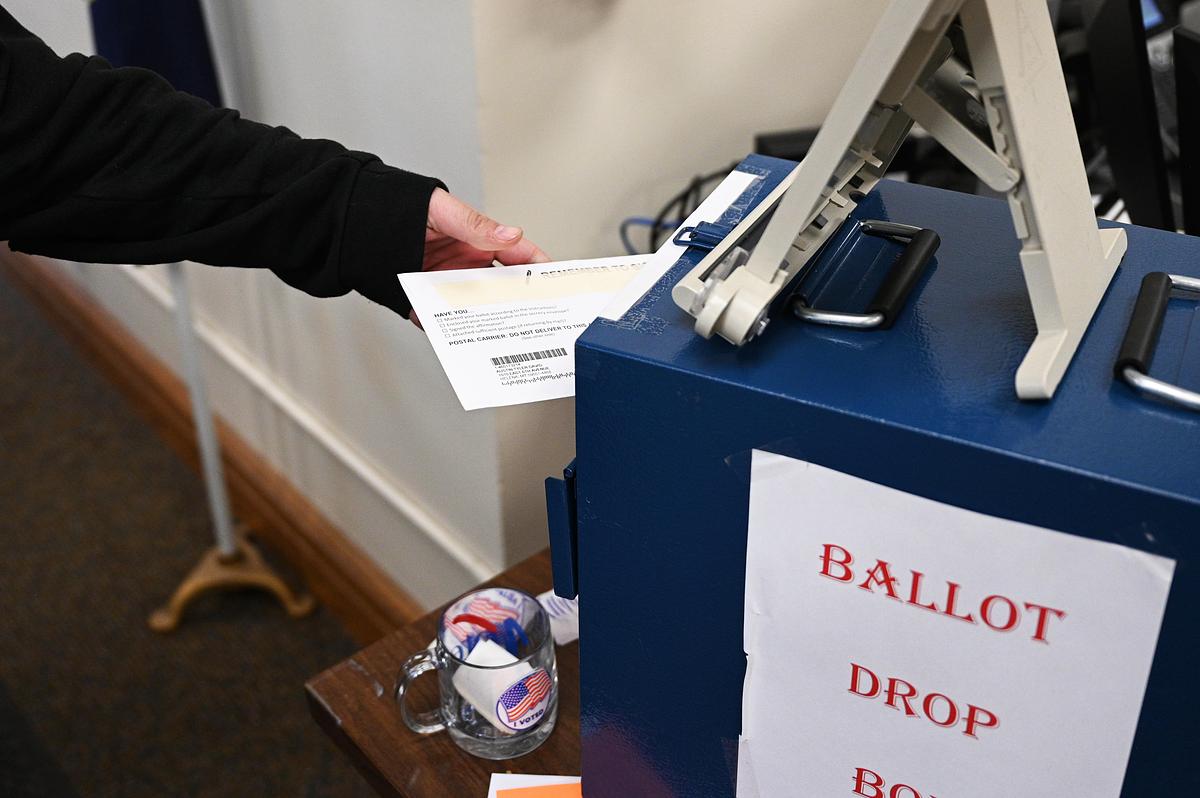
The Transparent Election Initiative, an anti-dark money group, on Thursday filed with the Montana Secretary of State two ballot initiatives that aim to prevent corporate political spending. The filing came just two days after the state Supreme Court found an earlier version of the initiative legally insufficient.
The group’s proposed amendment would add a new section to Article XIII of the state Constitution that defines the powers of “artificial persons,” or business corporations, nonprofits and other entities, to prevent them from spending to support political campaigns and efforts. The proposed statutory initiative aims to do the same thing by changing state law, not the Constitution. Transparent Election Initiative said in a Jan. 8 news release that it filed the statutory measure “as a potential safeguard” against procedural delays.
RELATED
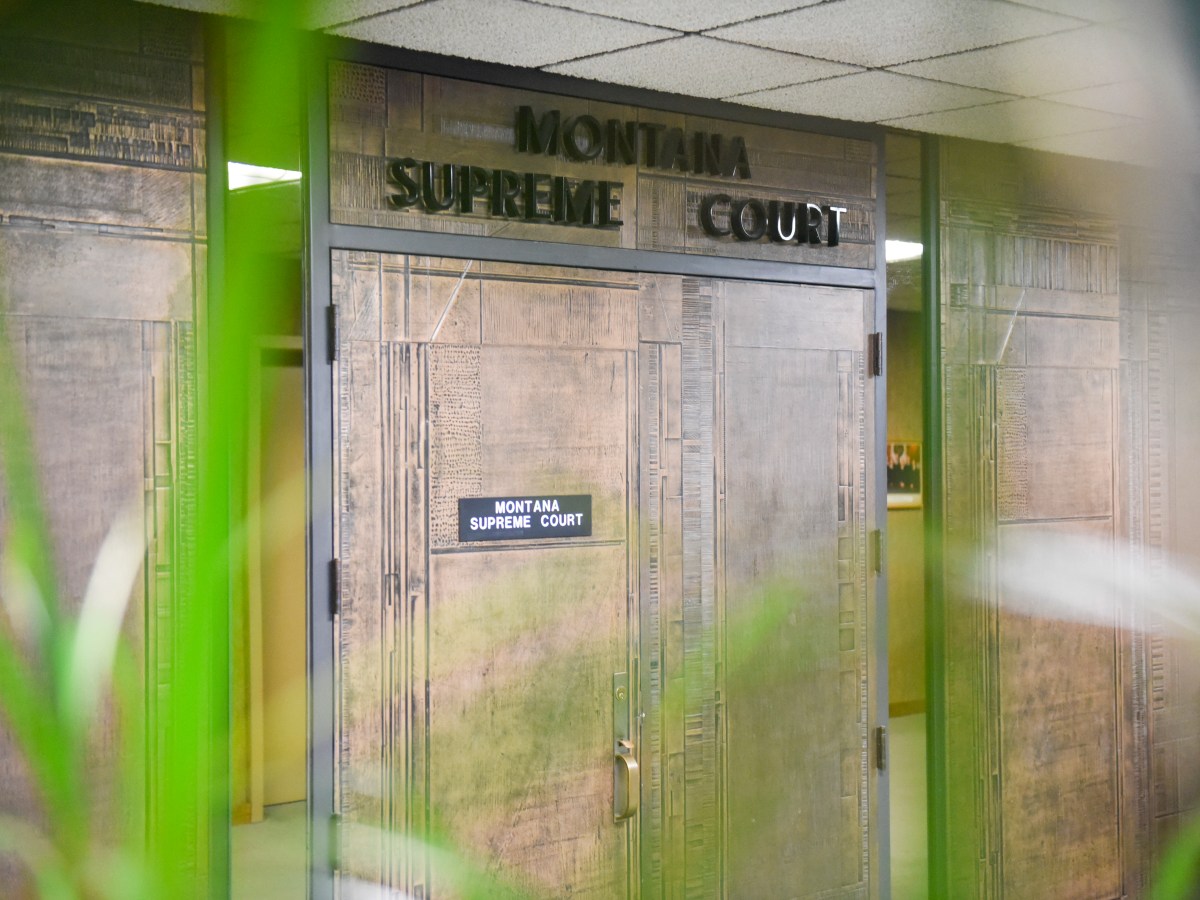
Montana Supreme Court upholds AG finding that ballot issue is legally insufficient
The Montana Supreme Court sided with Attorney General Austin Knudsen’s previous rejection of a proposed ballot initiative that aims to end corporate spending in political campaigns. The court said the initiative violated Montana’s Constitution.
“Whether through the Constitution or statute, Montanans will have their say,” said Jeff Mangan, former state commissioner of political practices who founded the Transparent Election Initiative. The effort is seen as a way to override the U.S. Supreme Court’s Citizens United ruling that allows for unlimited corporate spending in elections.
The group said in a news release that the revised constitutional initiative “directly incorporates” the court’s previous decision that its previously proposed ballot issue unconstitutionally tried to make changes to more than one section of the Montana Constitution.
The Montana Supreme Court earlier this week sided with Attorney General Austin Knudsen’s previous finding that an earlier draft of the proposed ballot initiative did not pass legal muster. Specifically, it affirmed Knudsen’s ruling that the ballot initiative violated Article XIV, Section 11, of Montana’s Constitution, which states that if more than one constitutional amendment is submitted, voters must be able to vote on each issue separately.
The Supreme Court found that the proposed initiative would produce at least two constitutional changes. First, it limited the power of corporations, nonprofits and other entities. And second, it granted those same entities some powers unrelated to elections.
RELATED

Former public officeholders propose constitutional initiative to take corporate money out of politics
A coalition of former public officeholders is pushing to end corporate money in Montana politics via a proposed constitutional initiative they want to put on the ballot for voters to weigh in on in 2026.
“The court told us to tighten the question, and we did,” Mangan said in a statement. “This revised amendment does one thing, and it does it clearly: it defines what powers Montana grants to corporations.”
Both proposed measures must pass a series of administrative and logistical hurdles, including a review by Montana Legislative Services Division and submission to the attorney general and budget director. The constitutional initiative would need to gain about 60,000 signatures from at least 40 legislative districts to appear on the Nov. 2026 general election ballot, according to a news release. The statutory measure requires fewer signatures.
LATEST STORIES
75% of voters want Montana to have at least as much federal land as it does now
Federal land transfer has been a party of the GOP party platform at both the state and national level, but a recent MTFP-Eagleton poll indicates that a majority of Republican voters oppose reducing the amount of land in federal ownership.
Secretary of State Christi Jacobsen joins contest for Zinke’s western U.S. House District seat
Jacobsen made her announcement on Facebook with a campaign video portraying her as both a political outsider and the favorite of Donald Trump.
Montanans want more solar, natural gas development, are less interested in new coal plants
The poll results on Montana’s energy mix come as politicians and policymakers grapple with surging electricity demand spurred by investment in artificial intelligence and the data centers that support it.