

This story is excerpted from the MT Lowdown, a weekly newsletter digest containing original reporting and analysis published every Friday.
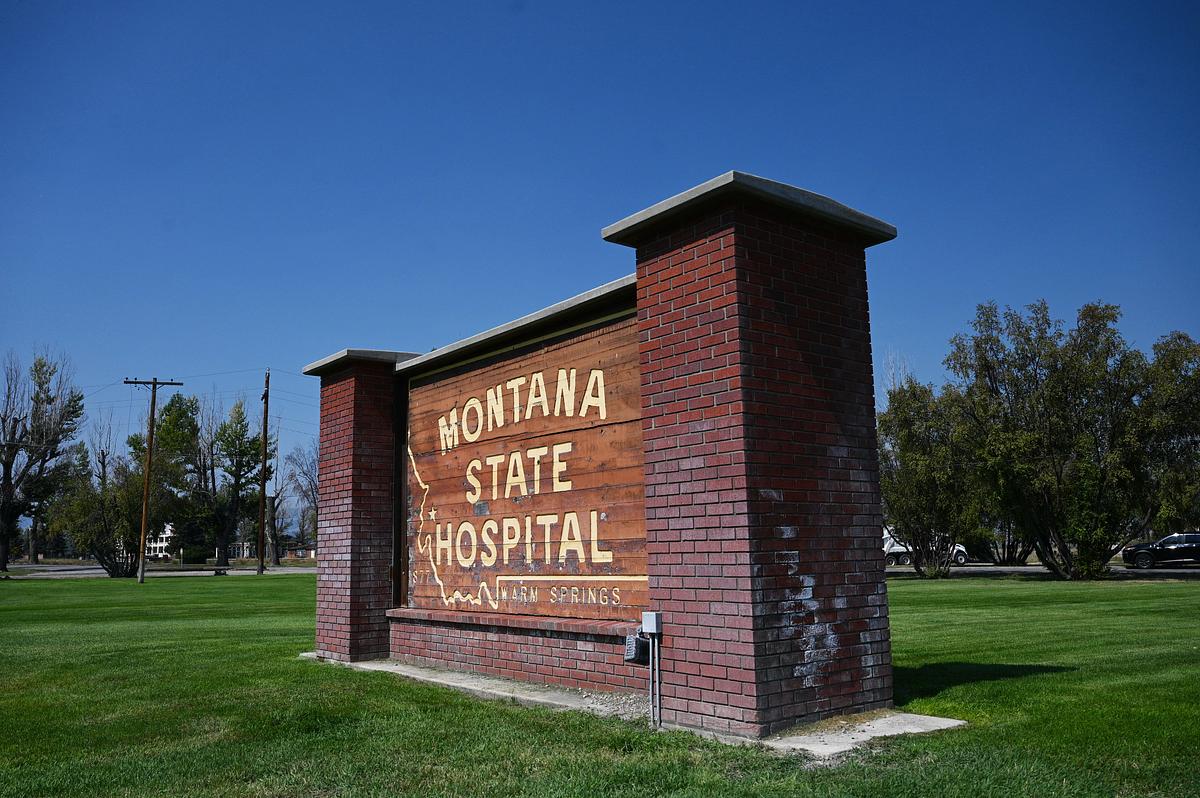
In a meeting last week, state lawmakers asked an elephant-in-the-room question: Will federal regulators recertify the Montana State Hospital in Warm Springs in 2026 if the adult psychiatric facility still doesn’t have an electronic medical record system?
The fact that the 270-bed facility — a fixture of Montana’s mental health system for more than 100 years — still operates with a largely paper-based medical record system may be news to people who aren’t reporters, health care providers or state officials.
State lawmakers in particular have for years been fixated on the paper-record quandary. In meeting after meeting (and legislative session after legislative session), lawmakers have been flummoxed by the lack of an electronic health record — a stark reminder of how many systems need changing in the hospital’s efforts to regain certification from the Centers for Medicare and Medicaid Services after the facility lost good standing in 2022 following a series of patient deaths and injuries.
State health department director Charlie Brereton has long said the state hospital aims to apply for recertification by the end of December. At a meeting Dec. 16 with lawmakers on the budget subcommittee that oversees his department, Brereton confirmed the agency was still operating on that timeline, even without an electronic health record, or EHR, system in place.
“How is the EHR going? That — that hunt,” asked Rep. Jane Gillette, a Republican from Three Forks and the committee chair, briefly fumbling for words to describe the delayed transition.
“Madam Chair, the EHR project is very much a… work stream in motion,” Brereton said, also searching for the right descriptive phrase. “We have not formally launched that [request for proposals] yet … But that is a — to be totally honest with you — a pretty slow-moving project at this point.”
“It feels like it’s glacier slow,” Gillette said.
According to national data collected by the Office of the National Coordinator for Health Information Technology, an arm of the federal health department, the vast majority of hospitals across the country — about 96% — have adopted electronic health records. The most recent statistics were from 2021.
Officials in Brereton’s department told lawmakers earlier this year that Montana was pursuing a multi-state cooperative contract for a new EHR system, estimating that the contract would be inked by March. But that spring deadline came and went, with no EHR system materializing. Later, the department stated that its strategy had changed and that the agency would instead issue its own request for bids through the state’s typical contract system.
Brereton did not give details on Dec. 16 about the reason for the repeatedly delayed process. In his exchange with Gillette, he clarified that the bid solicitation “has been drafted” and that his agency “is ultimately awaiting final approvals to move it forward.”
Sen. Chris Pope, a Democrat from Bozeman, questioned whether the absence of an EHR system would undermine the hospital’s recertification application.
“It’s not a formal requirement in the [CMS conditions] to have an EHR or that type of IT infrastructure,” replied health department facilities director Matt Waller. “It would aid in compliance, but it’s not a foundational requirement for us to move forward with recertification.”
LATEST STORIES
75% of voters want Montana to have at least as much federal land as it does now
Federal land transfer has been a party of the GOP party platform at both the state and national level, but a recent MTFP-Eagleton poll indicates that a majority of Republican voters oppose reducing the amount of land in federal ownership.
Secretary of State Christi Jacobsen joins contest for Zinke’s western U.S. House District seat
Jacobsen made her announcement on Facebook with a campaign video portraying her as both a political outsider and the favorite of Donald Trump.
Montanans want more solar, natural gas development, are less interested in new coal plants
The poll results on Montana’s energy mix come as politicians and policymakers grapple with surging electricity demand spurred by investment in artificial intelligence and the data centers that support it.