



Montana public health officials and advocacy groups said Wednesday that local suicide prevention, addiction recovery and other mental health programs had lost millions of dollars in federal funding, citing a letter from the Trump administration announcing that grant money that had already been distributed would be clawed back.
The existence of the letter sent Jan. 13 from the U.S. Substance Abuse and Mental Health Services Administration, also known as SAMHSA, was reported on Wednesday by national news outlets. As news began to trickle through county public health agencies and advocacy groups in Montana, many local grant administrators responded with shock and confusion, scrambling to assess the extent of the budget cuts.
RELATED
Trump administration reverses itself, restores $2 billion in mental health, substance abuse grants
Less than 24 hours after the Trump administration terminated about $2 billion in substance abuse and mental health grants, the administration reversed itself and restored the funding. In an email to the Montana state health department, federal officials directed the state to “disregard” the previous notification canceling the grants.
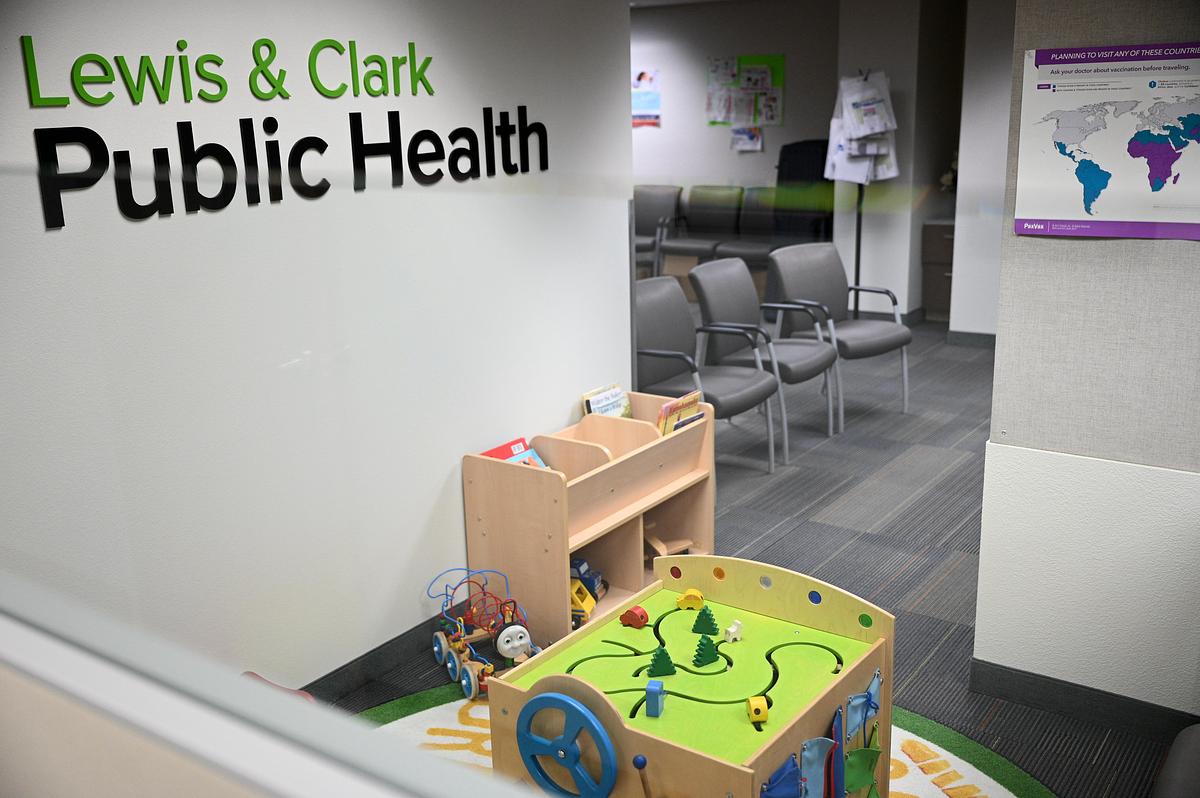
Drenda Niemann, the health officer for Lewis and Clark County, told Montana Free Press that her department was notified about the termination of a $125,000 suicide prevention grant “effective immediately, without prior notice,” by the same letter, which her office received just before 8 p.m. Tuesday evening. The grant term was originally supposed to end in September of this year.
“We were actively planning for sustainability when this sudden termination occurred — eight and a half months early. This decision is not only disruptive but inhumane to staff who have dedicated their careers to reducing suicide rates in our community,” Niemann said.
According to a copy of the letter distributed to state partners by the National Council for Mental Wellbeing and reviewed by MTFP, federal authorities said that the terminated grants no longer aligned with SAMHSA’s priorities to promote “innovative programs and interventions” that reduce mental illness, substance use disorder and suicide.
“As a result, SAMHSA is adjusting its discretionary award portfolio, which includes terminating some of its awards, in order to better prioritize agency resources towards the above-mentioned priorities,” the letter said. “Although in its discretion SAMHSA may suspend (rather than immediately terminate) an award to allow the recipient an opportunity to take appropriate corrective action before SAMHSA makes a termination decision, after review and consideration, no corrective action is possible here since no corrective action could align the award with current agency priorities.”

A White House spokesperson for the region of states that includes Montana did not respond to a request for comment.
Lisa Dworak, the executive director of a statewide alliance of public health directors, Confluence Public Health Alliance, said in a Wednesday email to MTFP that Missoula County, in addition to Lewis and Clark, was among those assessing the loss of federal grants.
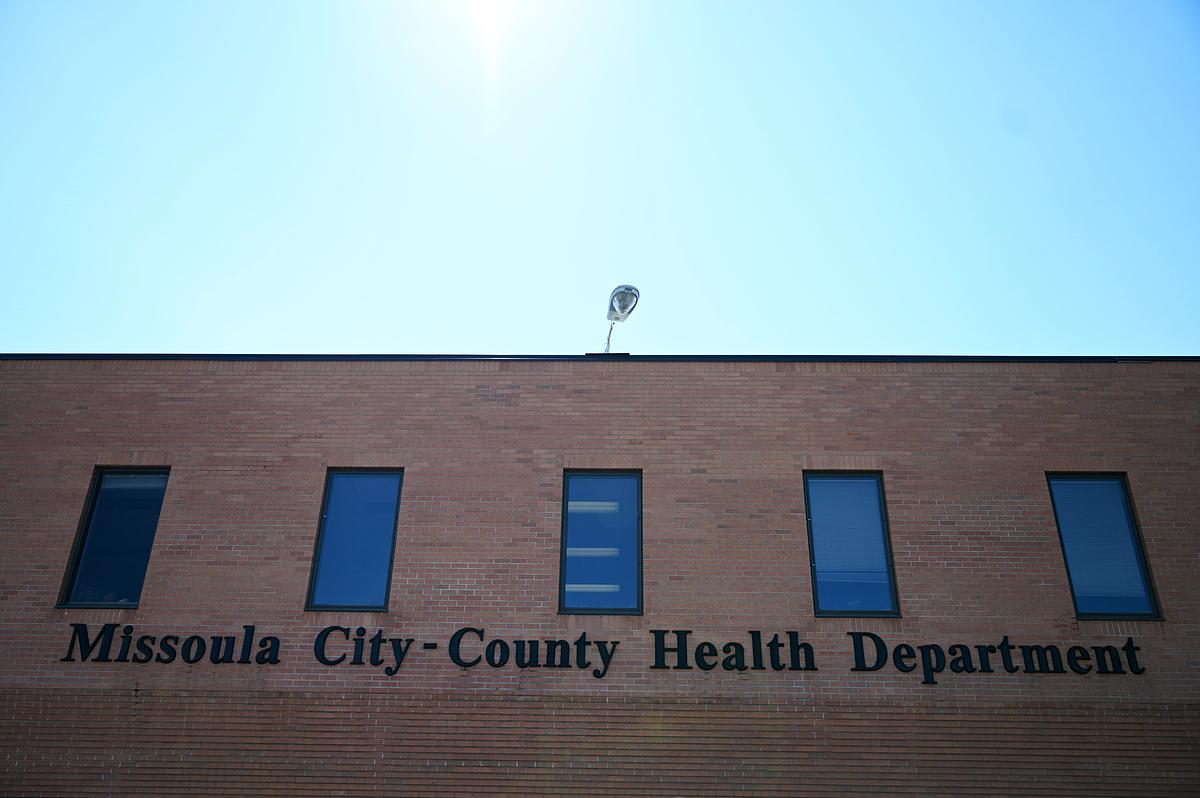
Two Missoula County programs were notified Tuesday that their SAMHSA funding was ending, effective immediately, said Allison Franz, the county’s communications manager.
One was the county’s Systems of Care program, which last year received a four-year, $4 million grant to expand and coordinate mental health and supportive services for youth and families. The grant provided about $1 million per year for Partnership Health Center, Providence Montana, Youth Homes Montana and AWARE and served more than 540 youth last year, according to the county. Missoula Public Health and Frenchtown Community Coalition’s program to prevent and reduce substance use and improve mental health among Frenchtown youth also lost its funding. The program received two four-year grants totaling $310,000, which funded one position in the Missoula Public Health Department.
County leadership and staff members are working to assess immediate impacts of the cuts, engaging Montana’s congressional delegation and exploring possible avenues to restore funding, Franz said.
In a Wednesday evening statement, a spokesperson for Gallatin County told MTFP that it “doesn’t appear” the county had been impacted by the cuts.Tribal health departments and urban clinic organizations were also trying to make sense of the news about grant cuts on Wednesday.
Tribal health departments and urban clinic organizations were also trying to make sense of the news about grant cuts on Wednesday.
Johns Hopkins Center for Indigenous Health, which partners with tribal communities nationwide, announced on Wednesday that a grant to address and prevent substance use among youth on the Rocky Boy’s Reservation in north-central Montana was terminated. The program was expected to serve about 1,600 young people, according to the Center for Indigenous Health.
In a press release, the National Indian Health Board, a nonprofit organization representing tribal governments and advocating on behalf of tribes, said it had learned that several tribal nations and health groups had received the same termination letter, “impacting critical mental health, behavioral health, and substance use programs.”
The NIHB directed anyone impacted by the cuts to complete a survey on its website about the change in grants.
In Lewis and Clark County, Niemann said that the county had received the annual $125,000 suicide prevention grant for seven years. The grant funded a full-time staff position “who leads a coalition of engaged community partners implementing our suicide prevention training action plan,” Niemann said. She added that the county had worked to deliver suicide awareness and prevention training to community members, employees at the local hospital and to “hundreds of middle and high school students.”
Dworak with Confluence Public Health Alliance said her organization was still working to assess the scope of potential lost funds and how the clawback could impact community members.
“I anticipate Confluence will reach out to our federal delegation about the impacts and urge them to consider this as they finalize [fiscal year 2026] funding,” Dworak said.
Spokespersons for Rep. Ryan Zinke, Rep. Troy Downing, Sen. Tim Sheehy and Sen. Steve Daines did not respond to inquiries Wednesday about the reported grant cuts.
A spokesperson for the state health department, Jon Ebelt, did not respond to a question about state-level grant cuts Wednesday afternoon.
Nora Mabie and Matt Hudson contributed reporting.
This story was updated Jan. 14, 2026, to include a comment from a Gallatin County spokesperson.
LATEST STORIES
Conservative think tank promotes revising Montana’s Constitution, as protesters object
Dozens of protesters gathered outside a Helena hotel as conservatives met inside to argue for rewriting Montana’s Constitution. Opponents warned that changes could threaten long-standing protections for the environment, voting rights, and personal privacy as the state approaches its next constitutional convention vote in 2030.
The first-in-the-nation TikTok ban that wasn’t
A Montana judge has mooted the state’s would-be TikTok ban before it could block a single viral video. On Feb. 20, U.S. District Court Judge Donald Molloy concluded the case, which challenged the law’s constitutionality, and which had been paused since Molloy temporarily blocked its implementation in 2023.
Federal appeals court sides with BNSF Railway in dispute with Libby asbestos victims
In the unanimous finding, a panel of three judges from the 9th U.S. Circuit Court of Appeals reversed a 2024 Montana federal court ruling that asbestos contamination at BNSF’s rail yard had contributed to the 2020 deaths of Joyce Walder and Thomas Wells. BNSF shipped asbestos-tainted vermiculite products nationwide from the 20-acre site in downtown Libby.